
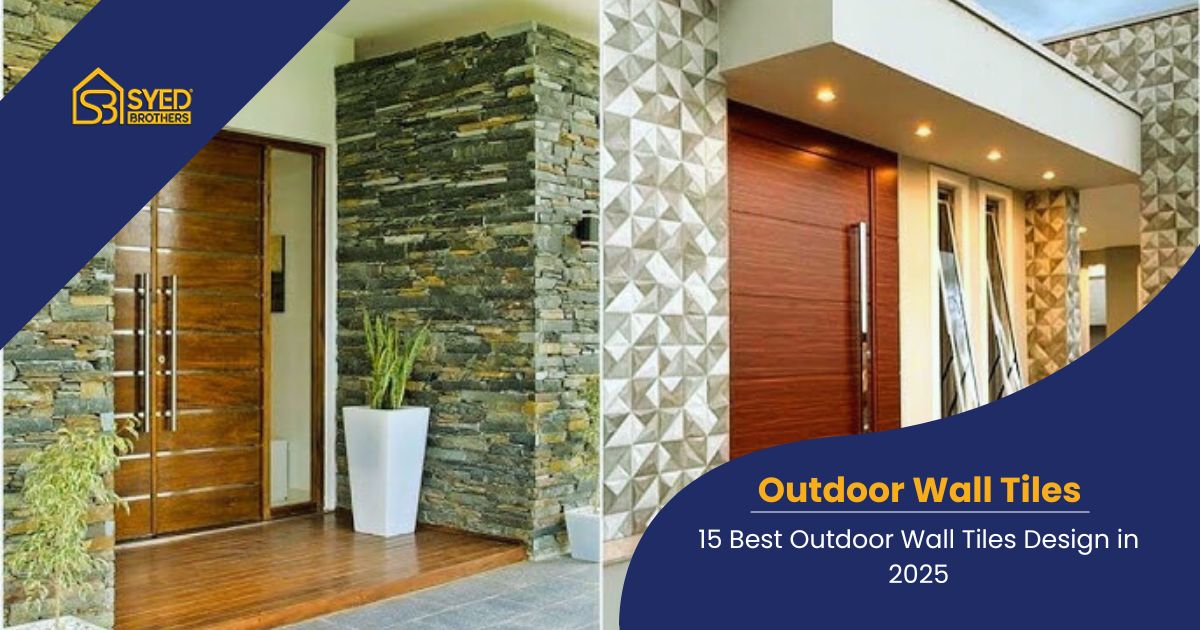
When we think about home renovation, we often obsess over the interior—the kitchen cabinets, the living room paint, or the bathroom vanity. But the exterior walls of your home are the "face" you present to the world. They are the first thing guests see and the first line of defense against the weather. In 2025, outdoor wall tile designs have evolved from simple protective layers into stunning architectural statements that define the character of a home.
Using tiles on the outside of a building is not a new idea. In fact, it is a tradition that dates back thousands of years. The ancient Babylonians and Egyptians used glazed bricks to protect their temples and gates from the harsh desert sun, creating facades that were as durable as they were beautiful. Today, we are seeing a massive revival of this ancient practice, but with modern technology that makes tiles stronger, lighter, and more stylish than those ancient architects could have ever imagined.
Whether you are looking to cover a front facade, highlight a patio area, or simply add a feature wall to your garden, choosing the right design is crucial. Here is your complete guide to the 15 best outdoor wall tile designs trending in 2025.
The Rise of Natural Stone Aesthetics
There is a reason stone has been used in construction for centuries: it feels permanent and valuable. However, using real, heavy stone blocks is expensive and difficult to install. In 2025, the trend is all about "stone-look" tiles that offer the beauty of nature without the heavy lifting.
- The Classic Limestone Look
- Stacked Slate Texture
- Rugged Granite Panels
- Warm Sandstone Blocks
- Large-Format Porcelain Slabs
- Industrial Concrete Effect
- Bold Matte Black
- Metallic Finish Tiles
- Wood-Look Porcelain Planks
- Modern Terracotta
- 3D Geometric Tiles
- The Mosaic Mural
- Travertine Luxury
- Linear Strip Cladding
- Mixed Material Fusion
If you want your home to look elegant and timeless, limestone-style tiles are the top choice this year. These tiles usually come in soft creams, beiges, and light grays. They reflect sunlight, which helps keep the building cool, and they provide a neutral backdrop that makes your garden plants look vibrant green. It creates a calm, high-end resort feel right in your backyard.
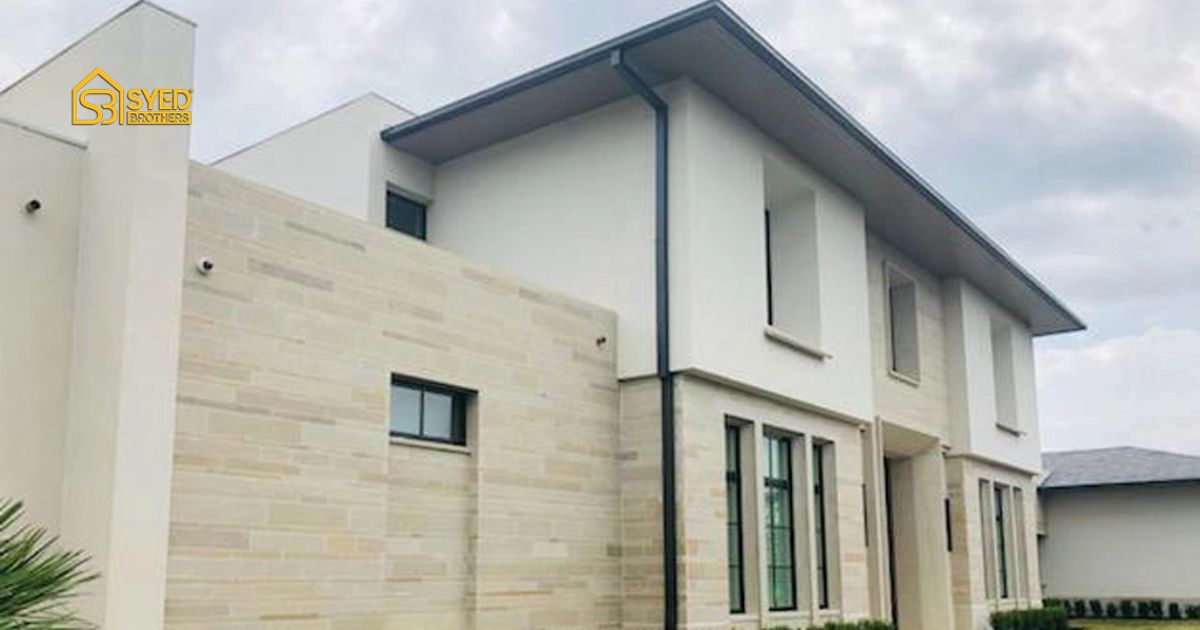
For homeowners who want more drama and depth, stacked slate designs are incredibly popular. These tiles mimic the look of thin layers of jagged stone piled on top of each other. The uneven texture catches the sunlight differently throughout the day, creating shadows and visual interest. It is a perfect choice for accent walls, such as the area around a front door or a fireplace chimney.
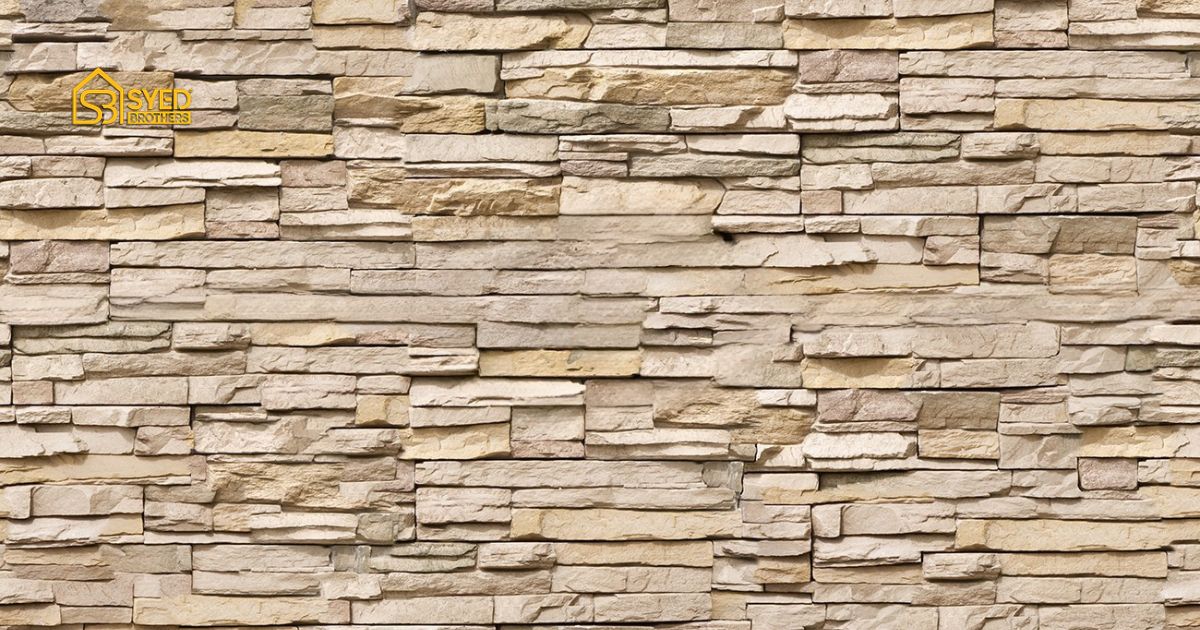
Granite is synonymous with strength. New tile designs in 2025 are capturing the speckled, crystalline look of granite in large, sleek panels. These are excellent for modern homes because they look very "clean" and sharp. Unlike the busy patterns of the past, modern granite tiles focus on uniform colors like charcoal or deep steel gray, which look fantastic against modern glass windows.
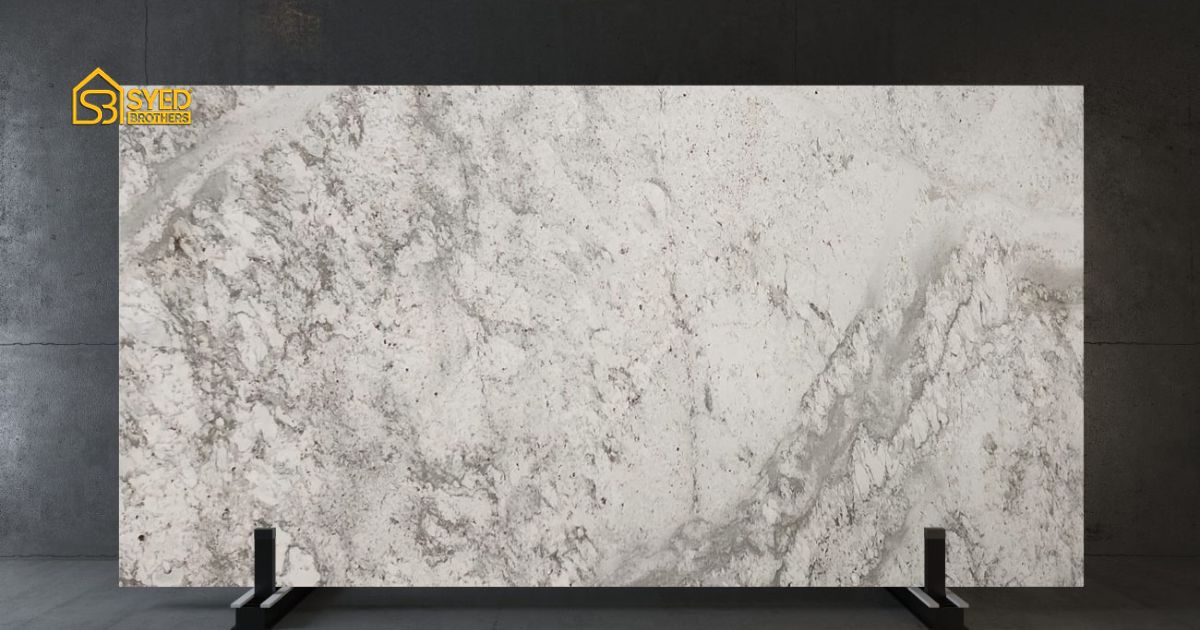
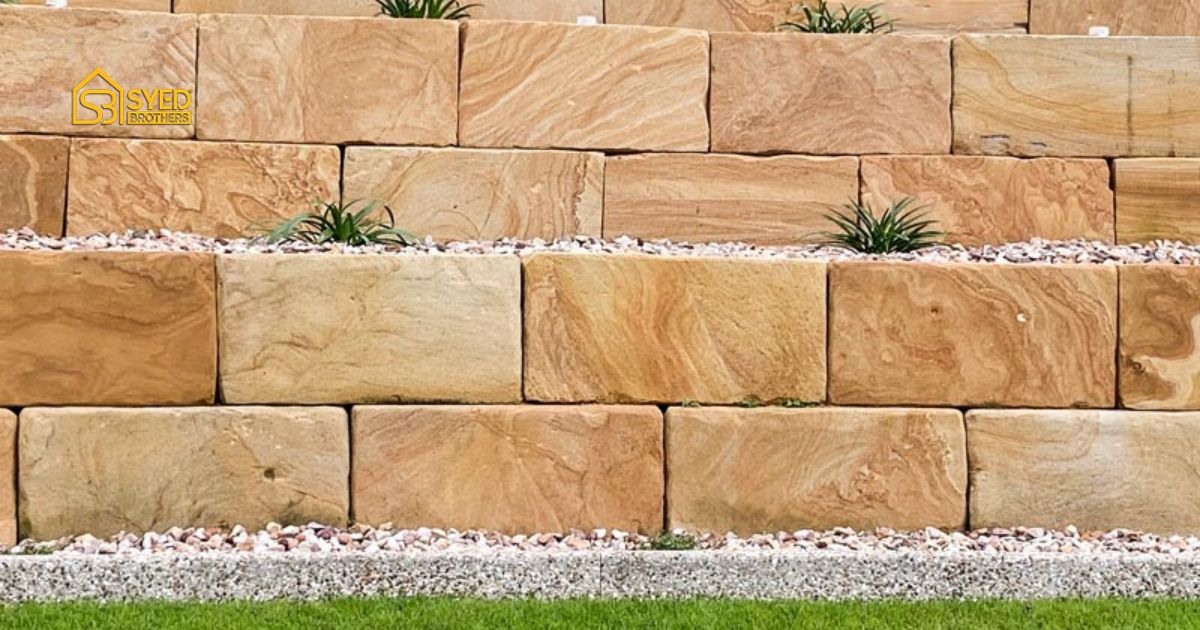
If you prefer a welcoming, earthy vibe, sandstone designs are making a big comeback. These tiles often feature warm reds, browns, and golds. They work exceptionally well in homes with a rustic or traditional style. The texture often feels slightly gritty to the touch, just like real stone, adding a layer of authenticity to your exterior.
Modern Industrial and Minimalist Trends
As we move further into the 2020s, architecture is leaning toward "minimalism"—the idea that less is more. The goal here is clean lines and smooth surfaces that look futuristic and uncluttered.
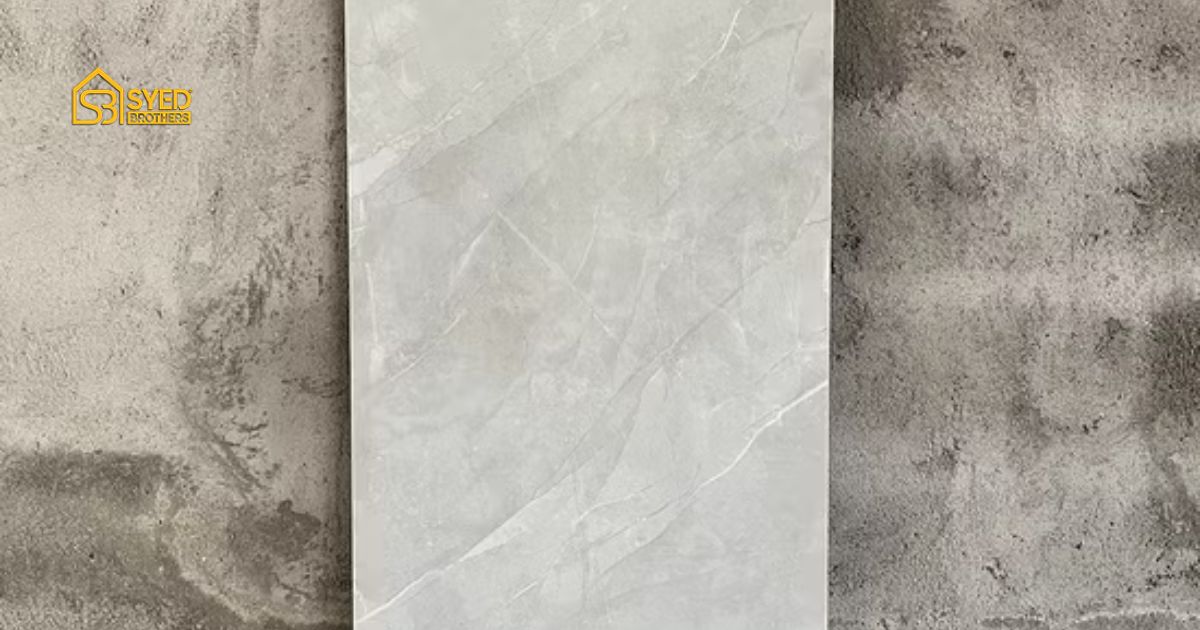
This is perhaps the biggest trend of 2025. Instead of using hundreds of small tiles, designers are using massive porcelain slabs that can be several feet wide. The benefit here is that you have very few "grout lines" (the spaces between tiles). This creates a seamless, smooth wall that looks like one continuous sheet of material. It makes small homes look bigger and gives large homes a majestic appearance.
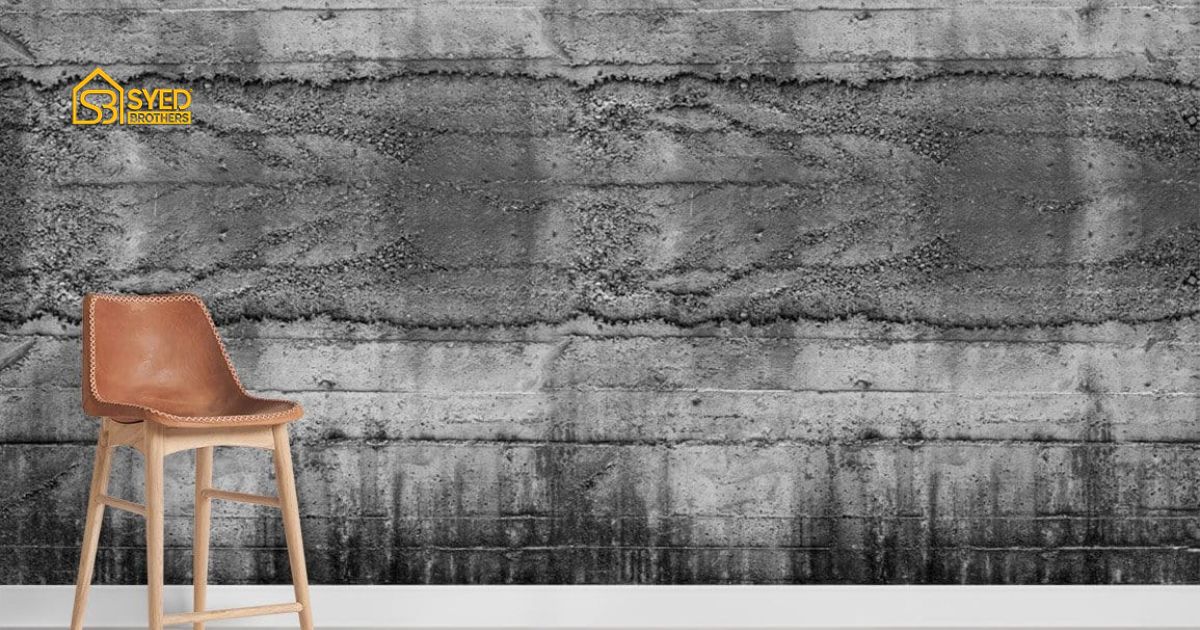
The "unfinished" look is very trendy right now. Concrete-look tiles give you the cool, urban aesthetic of an industrial loft but without the risk of cracking that comes with pouring real cement. These tiles are usually matte (no shine) and come in various shades of cool gray. They are perfect for pairing with black metal window frames or modern outdoor lighting.
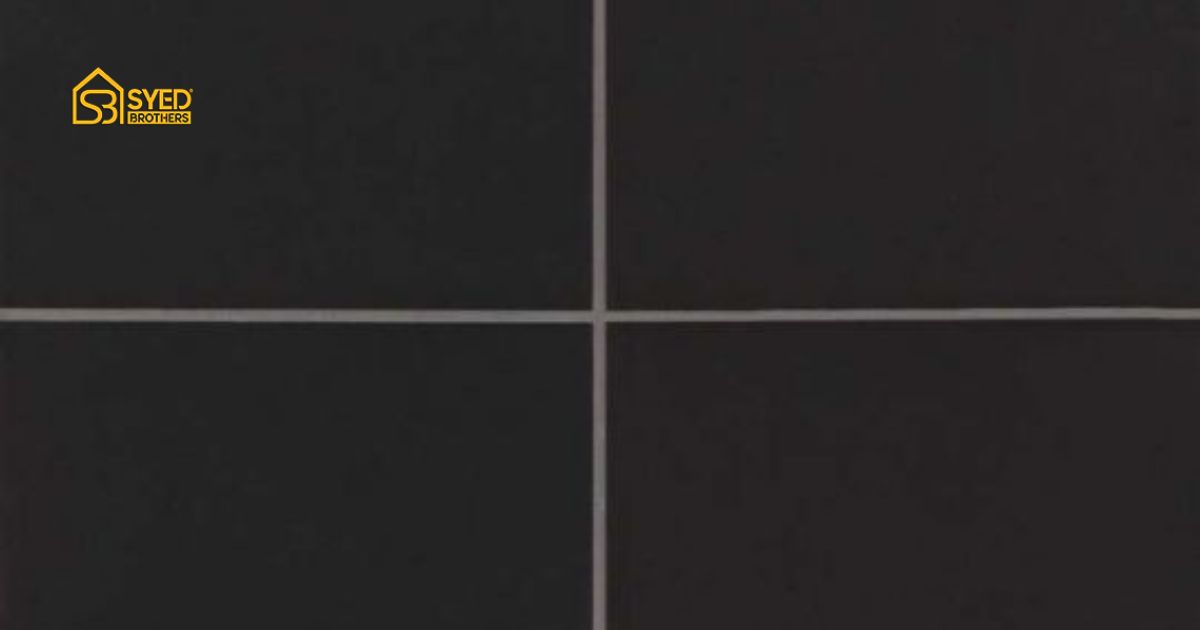
For the brave homeowner, black is the new neutral. Matte black wall tiles are being used to create striking contrast. Imagine a house where the main walls are white, but the entrance area is clad in deep, dark black tiles. It draws the eye immediately. Because they are matte, they don't look shiny or plastic; they look like volcanic rock or charred wood, which is very sophisticated.
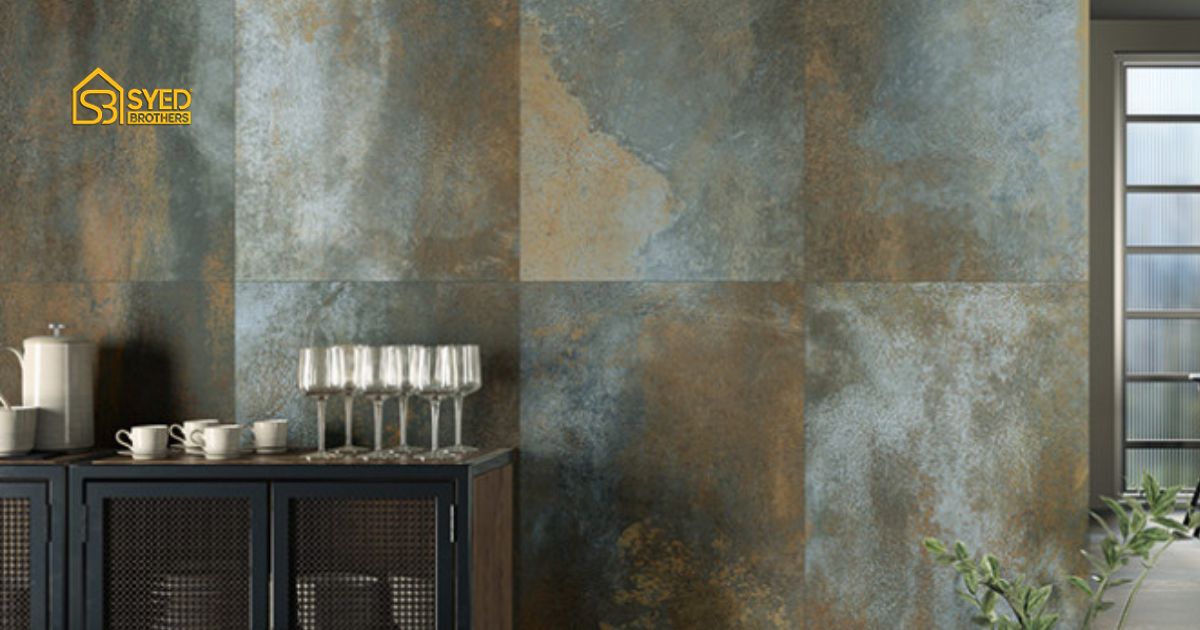
Technology now allows manufacturers to create tiles that look like rusted steel, copper, or oxidized iron. These "metallic" tiles have a unique shimmer that changes depending on where you stand. They are rarely used to cover an entire house, but as a feature wall on a patio or balcony, they are a showstopper. They give the home an artistic, avant-garde edge.
The Warmth of Nature: Biophilic Design
"Biophilic" is a fancy word for design that connects us to nature. In 2025, people want their homes to feel organic and grounded, not just like concrete boxes.
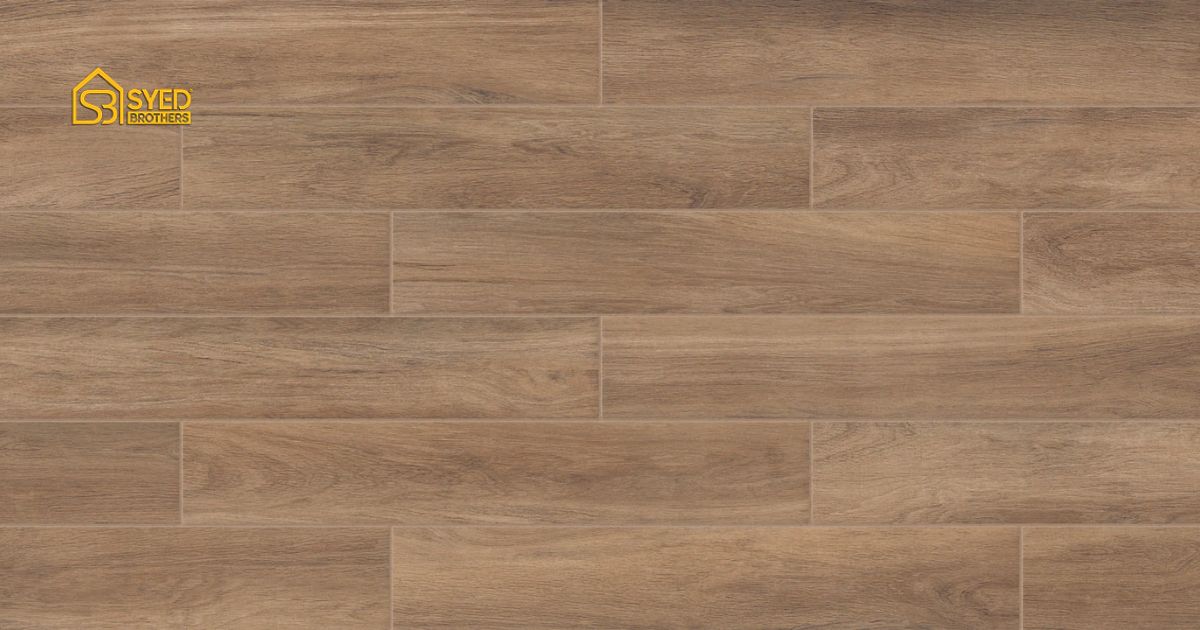
We all love the look of wood siding, but nobody loves painting, sealing, and worrying about termites. Enter wood-look porcelain. These are long, plank-shaped tiles that look exactly like timber—complete with grain patterns and knots—but they are made of hard ceramic. You get the warmth of wood with the durability of stone. It is the ultimate solution for a maintenance-free natural look.
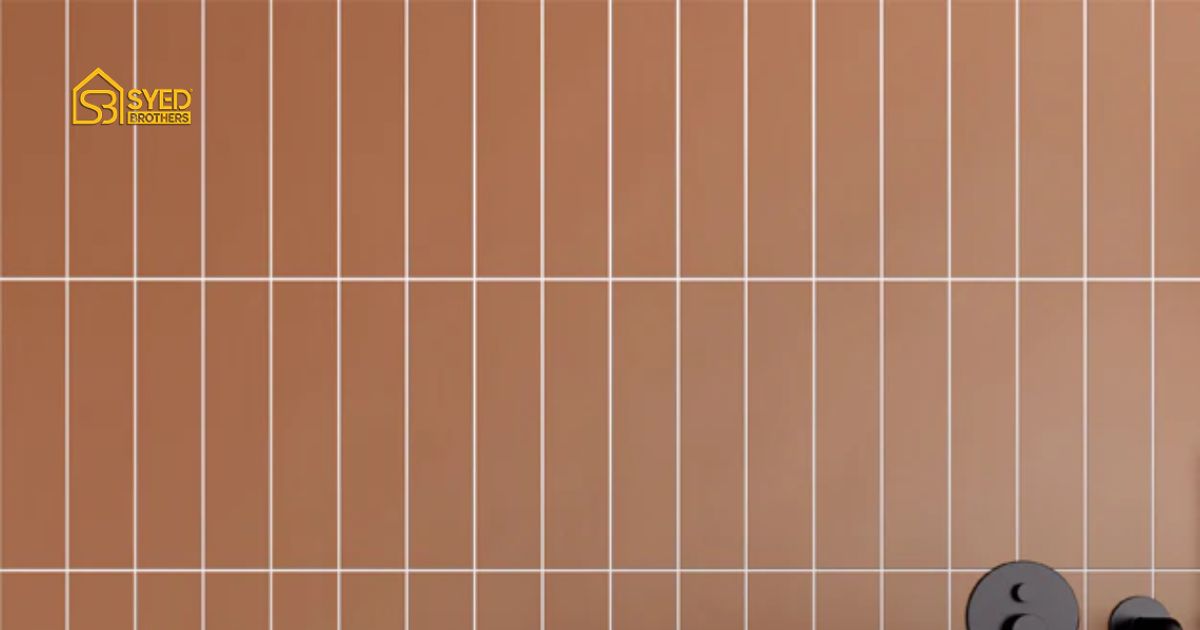
Terracotta has a long history, traditionally seen on roofs in the Mediterranean. In 2025, it will move to the walls. However, this isn't the old-fashioned, chunky orange tile. Modern terracotta is sleeker, flatter, and comes in rich, baked-earth tones. It pairs beautifully with white walls and green gardens, giving a home a sunny, European holiday vibe.
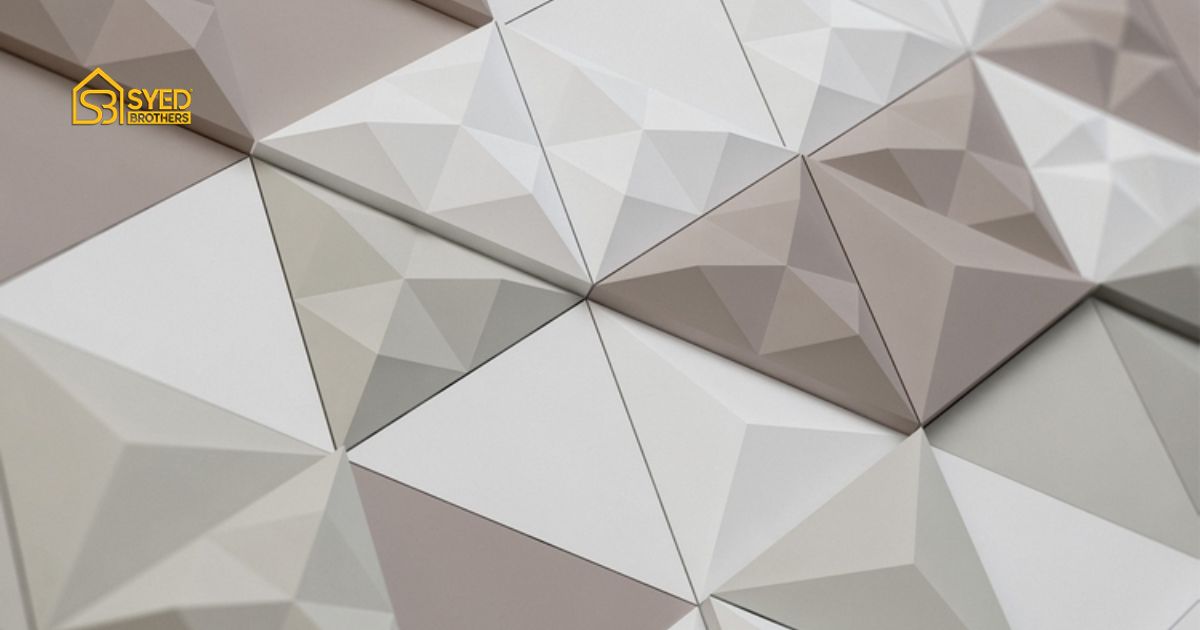
Nature isn't always smooth, and neither are these tiles. 3D tiles literally pop out from the wall. They might have a raised diamond pattern, a wave design, or a cubed effect. When the sun hits these tiles, the shadows create a dynamic pattern that changes as the sun moves across the sky. It turns a boring flat wall into a piece of sculpture.
Artistic and Luxury Accents
Sometimes, you want your exterior wall to be more than just a background; you want it to be art.
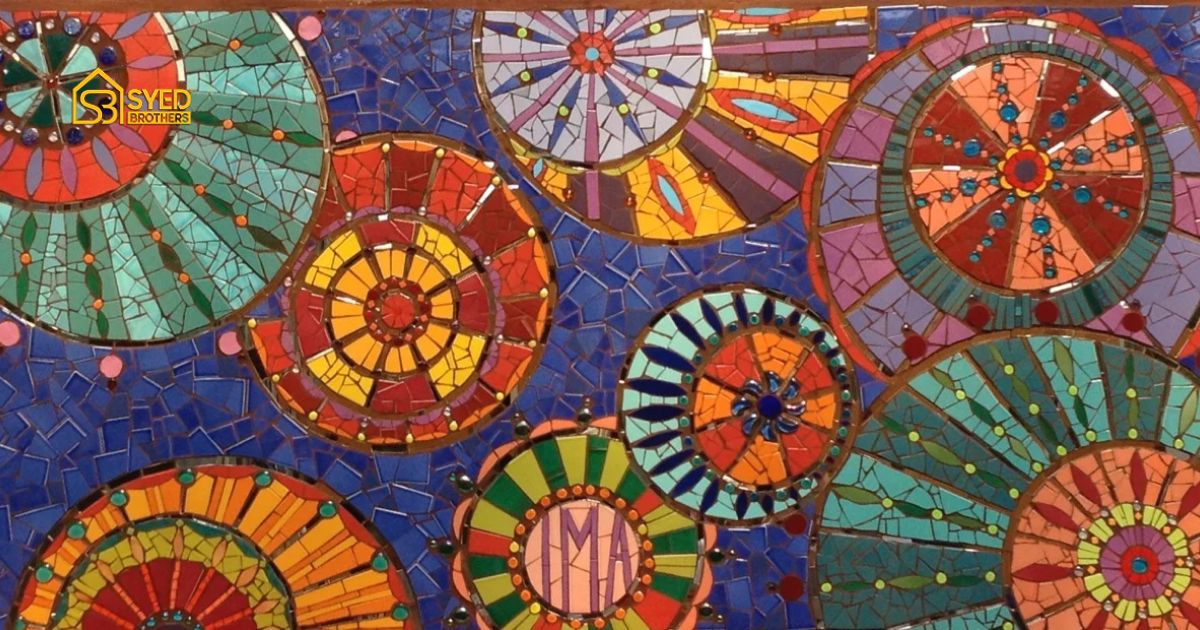
While less common for whole houses, mosaic tiles are trending for garden walls and outdoor shower areas. These are small tiles arranged to create a pattern or a gradient of colors—like fading from dark blue to light blue. It adds a touch of personality and craftsmanship that standard tiles can't match.
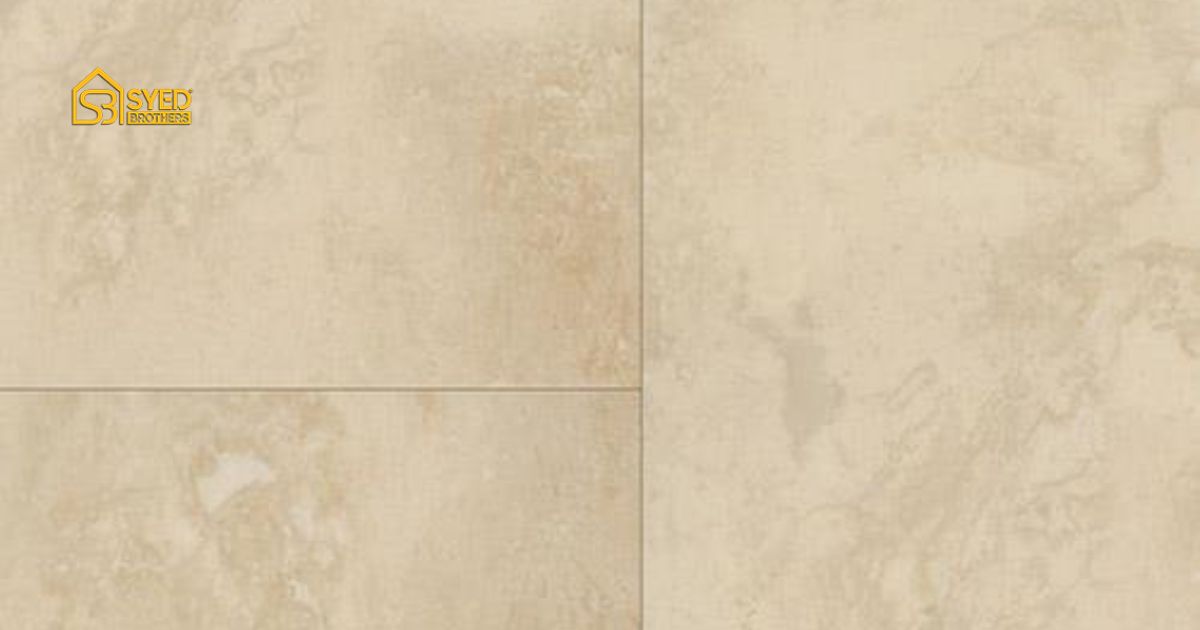
Travertine is a form of limestone deposited by mineral springs, famously used to build the Colosseum in Rome. Tiles that mimic this look have a pitted, textured surface that screams luxury. In 2025, we are seeing this used heavily in pool areas and patio walls to create a spa-like atmosphere.
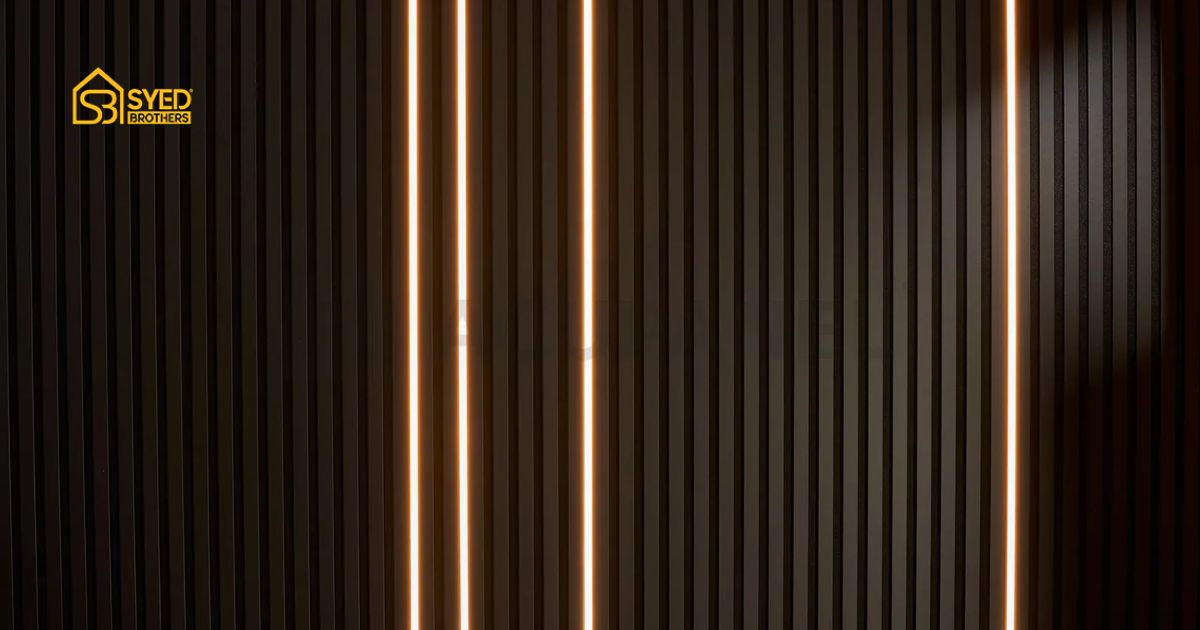
This design uses very thin, long strips of tile stacked horizontally. It creates a linear effect that makes a building look wider and more grounded. It is often used on pillars or columns to make them feel more substantial. The busy pattern of the thin strips hides dirt and dust very well, making it practical for street-facing walls.
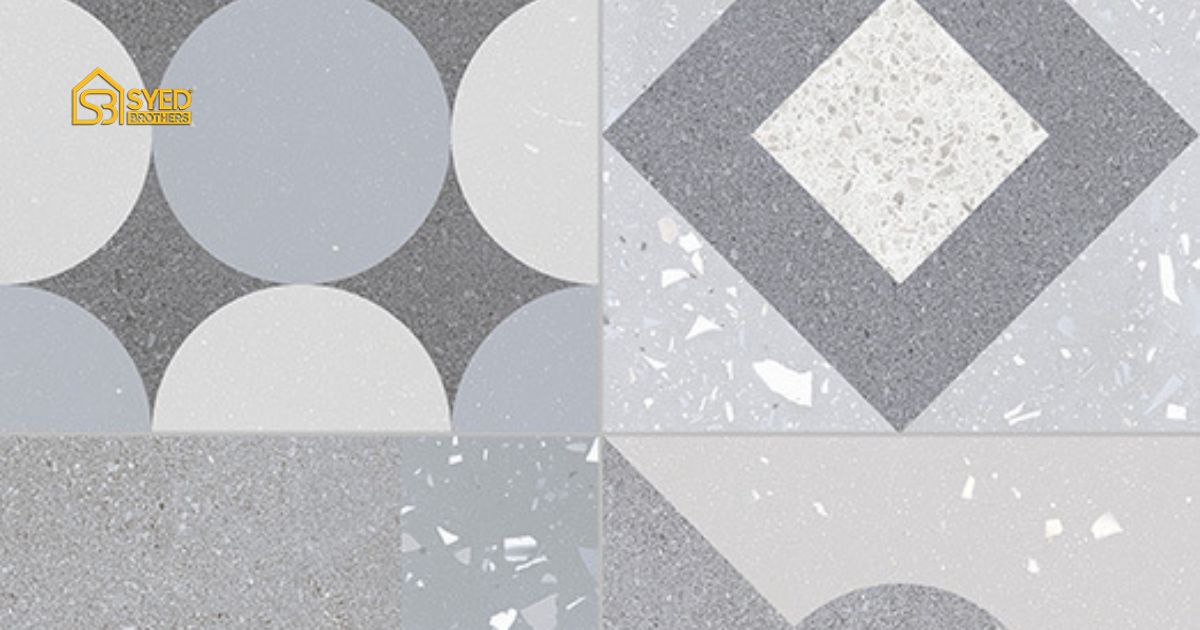
Finally, the most advanced design of 2025 isn't just one tile—it's mixing them. Designers are pairing smooth concrete-look tiles with rough stone-look tiles on the same wall. Or, they are framing a section of wood-look tile with black metal trim. This "fusion" style breaks up the monotony and allows you to customize a look that is totally unique to your home.
The Big Debate: Porcelain vs. Natural Stone
When shopping for these designs, you will face a major choice: should you buy real natural stone or porcelain tiles that look like stone?
In the past, real stone was always the winner for beauty. But in 2025, porcelain has taken the lead for most homeowners. Here is why:
Porcelain is Non-Porous: Real stone is like a hard sponge; it has tiny holes (pores) that can absorb water. In winter, that water can freeze and crack the stone. Porcelain is baked at such high temperatures that it becomes completely glass-like and waterproof. It won't crack in the frost and it won't absorb wine or oil spills if you have a BBQ nearby.
Maintenance: Real stone often needs to be "sealed" with chemicals every year or two to protect it. Porcelain needs zero sealing. You can wash it with a hose and soapy water, and it will look brand new for decades.
Weight: Real stone is incredibly heavy. Installing it on a second-story wall requires expensive reinforcement to make sure the wall doesn't collapse. Porcelain is much lighter and can be glued directly onto most standard exterior surfaces.
Pro Tips for Installation and Maintenance
If you decide to upgrade your home with one of these designs, keep a few practical tips in mind to ensure it lasts a lifetime. If you need professional assistance with your exterior upgrades, consider our exterior design service for expert guidance.
First, check the rating. Not all tiles are built for the outdoors. You need tiles that are rated "frost-proof" and have a low water absorption rate. Indoor bathroom tiles will crack and peel off if you use them outside in a cold climate.
Second, mind the grout. The stuff between the tiles (grout) is the weak point. For outdoor walls, use an epoxy grout or a high-quality acrylic grout that is designed to resist mold and dirt. White grout outside is usually a bad idea because it will stain instantly; stick to grays and earth tones.
Finally, consider the lighting. The texture of outdoor tiles looks best when lit from the side or above. Plan your outdoor lighting fixtures before you tile. Installing small "up-lights" on the ground pointing up at a textured slate or 3D wall can make your home look magical at night.
Conclusion
The exterior of your home is a canvas that tells a story about who lives inside. Whether you choose the ancient, grounded look of sandstone, the sleek, futuristic vibe of large-format porcelain, or the warm, organic feel of wood-effect planks, the right wall tile design can completely transform a property.
To help visualize these changes before installation, consider utilizing professional 3D Architectural Visualization Services. This technology is better than ever in 2025, allowing property owners to enjoy the beauty of potential materials without the headaches of high maintenance or commitment. By choosing a design that complements your home's architecture and your personal style, you are not just renovating a wall; you are creating a landmark in your neighborhood that will stand the test of time.