
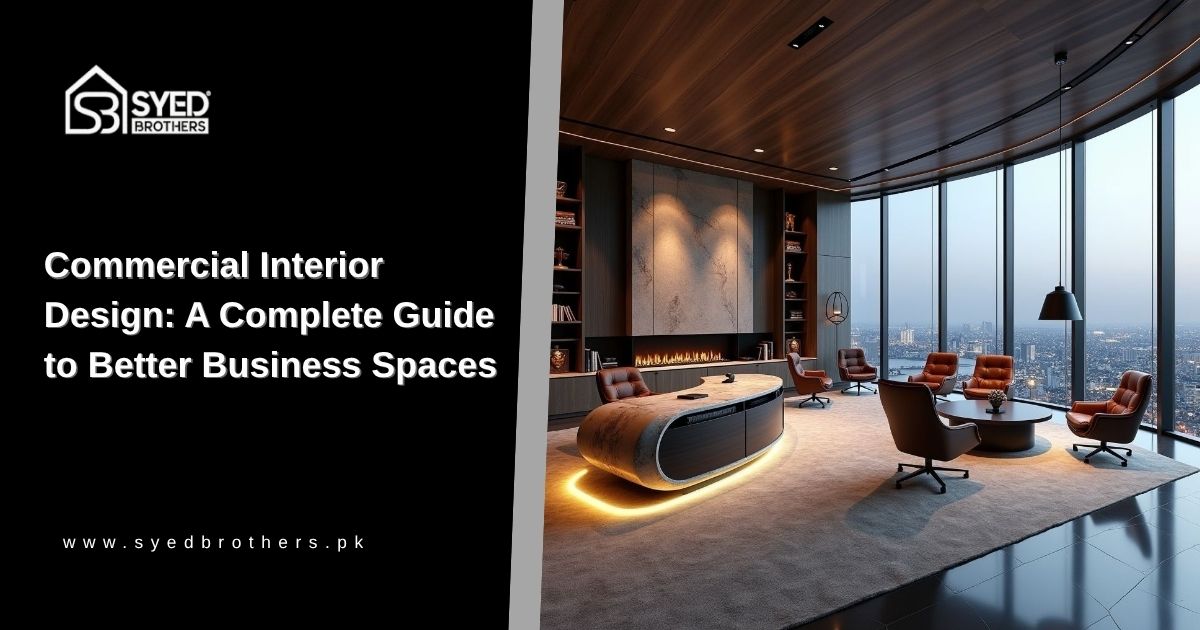
A business space is the first thing people feel about your brand. When customers enter your office, shop, café, clinic, or showroom, they quickly notice the look, comfort, and overall mood of the place.
That is why commercial interior design matters. It helps your space look professional, feel welcoming, and work better every day. In this guide, you will learn what it is, why it matters, and how it can help your business grow.
What Is Commercial Interior Design?
Commercial interior design means planning and designing indoor spaces used for business purposes. It includes layout design, furniture, lighting, materials, colors, branding, flooring, ceilings, and customer movement. The goal is to create a space that is attractive and practical.
Unlike home interior design, commercial design focuses on many users at the same time. A workplace needs productivity. A retail shop needs product visibility. A restaurant needs comfort and smooth service. Every design decision should support the business goal.
Why Commercial Interior Design Matters for Your Business
Your commercial space creates the first impression of your business. Customers often judge your quality, professionalism, and trust level by how your place looks and feels. A well designed space can make people feel welcome, relaxed, and confident.
For employees, the right workplace design can improve focus, comfort, and productivity. Better lighting, ergonomic furniture, open areas, private zones, and clean layouts can reduce stress. This is why business interior design is directly connected with performance and experience.
What Do Interior Designers Do in Commercial Projects?
Commercial interior designers create functional and attractive business interiors. They study the space, understand your brand, plan the layout, choose furniture, suggest materials, design lighting, and make sure the space fits your daily operations and customer needs.
They also work with contractors, architects, electricians, carpenters, and suppliers. Their role is to manage the design direction and reduce mistakes. From office interior design to restaurant interior design, they help turn empty or outdated spaces into useful environments.
Key Elements of a Well-Designed Business Space
The main elements of commercial interior design include space planning, furniture design, lighting design, color scheme, flooring, wall finishes, ceiling design, storage, branding, safety, and accessibility. These details work together to create a complete environment.
For example, a luxury showroom needs elegant lighting and premium materials. A clinic needs clean finishes and calming colors. A corporate office needs comfortable seating, meeting rooms, and smart workflow. Each business needs a different interior design solution.
Latest Trends in Modern Commercial Interior Design
Modern commercial spaces are moving toward comfort, flexibility, sustainability, and brand storytelling. Businesses now prefer natural light, indoor plants, warm textures, acoustic panels, flexible furniture, and open layouts that can be changed when needed.
Another popular trend is experience based design. Retail space design now focuses on customer journey, not only product display. Offices feel more relaxed and welcoming. Restaurants use mood lighting and unique themes to create memorable customer experiences.
Office Design for Better Productivity
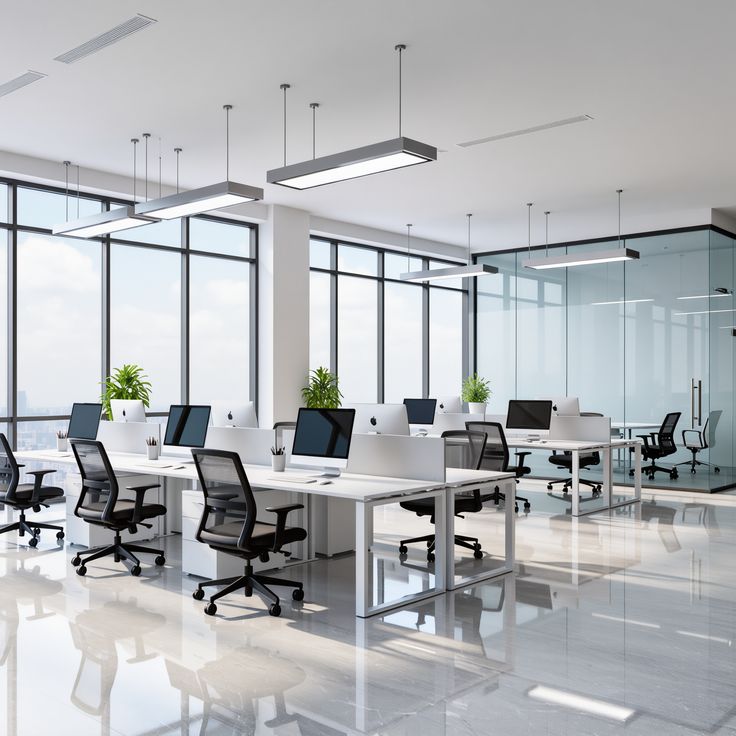
Office interior design should support teamwork, focus, privacy, and comfort. A good office is more than desks and chairs. It needs meeting rooms, workstations, storage, breakout spaces, lighting, and a layout that helps people move easily.
Modern workplace design also focuses on employee well being. Natural light, ergonomic furniture, acoustic control, plants, and flexible seating can improve the daily work experience. A comfortable office can help employees feel more motivated and productive.
Retail Store Design That Improves Sales
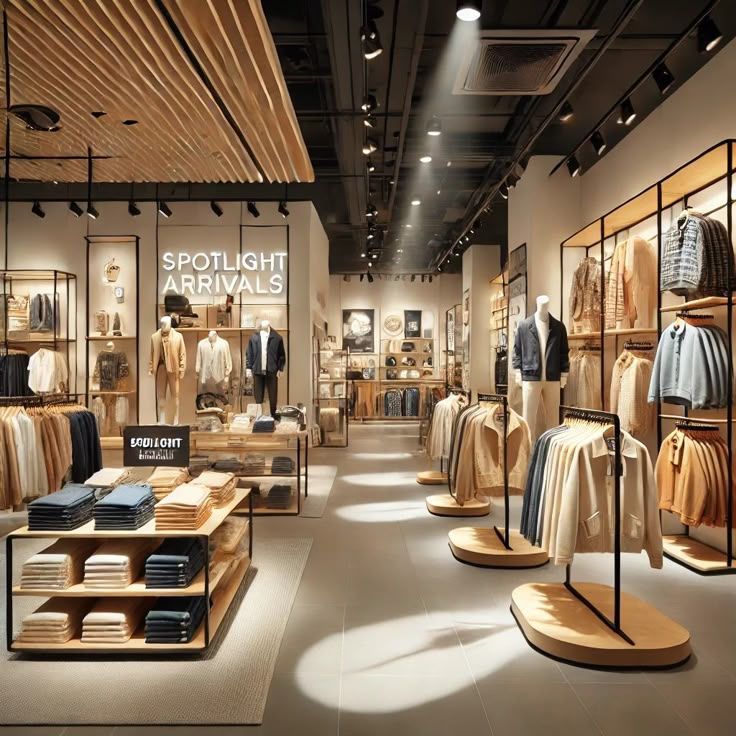
Retail space design is about guiding customers through the store in a natural way. Shelving, lighting, display units, checkout counters, signage, and product placement all affect how people shop and how long they stay inside.
A strong retail interior should match the brand personality. A fashion store, mobile shop, jewelry showroom, and grocery store all need different layouts. Good retail design makes products easy to find, easy to view, and easy to buy.
Restaurant & Café Design for Better Experience
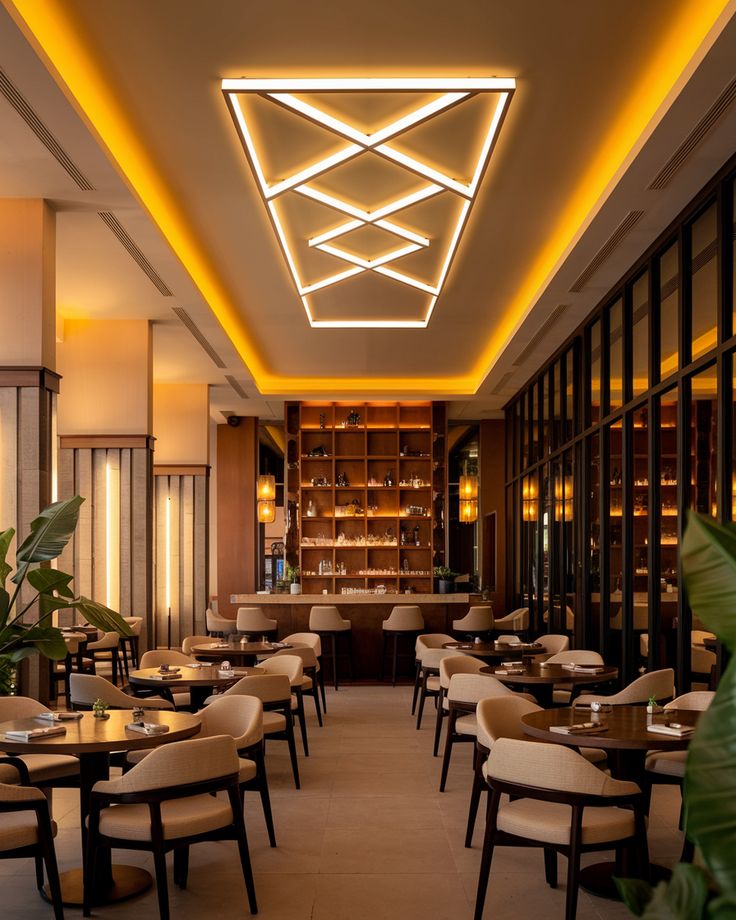
Restaurant interior design must balance beauty, comfort, and service flow. Customers notice seating, lighting, colors, music, wall design, and overall atmosphere. Staff need smooth movement between the kitchen, counter, tables, and service areas.
A well designed café or restaurant can make people stay longer and return again. Warm lighting, comfortable seating, strong theme, clean finishes, and good spacing can improve the dining experience and help build a memorable brand image.
Healthcare & Clinic Design Essentials
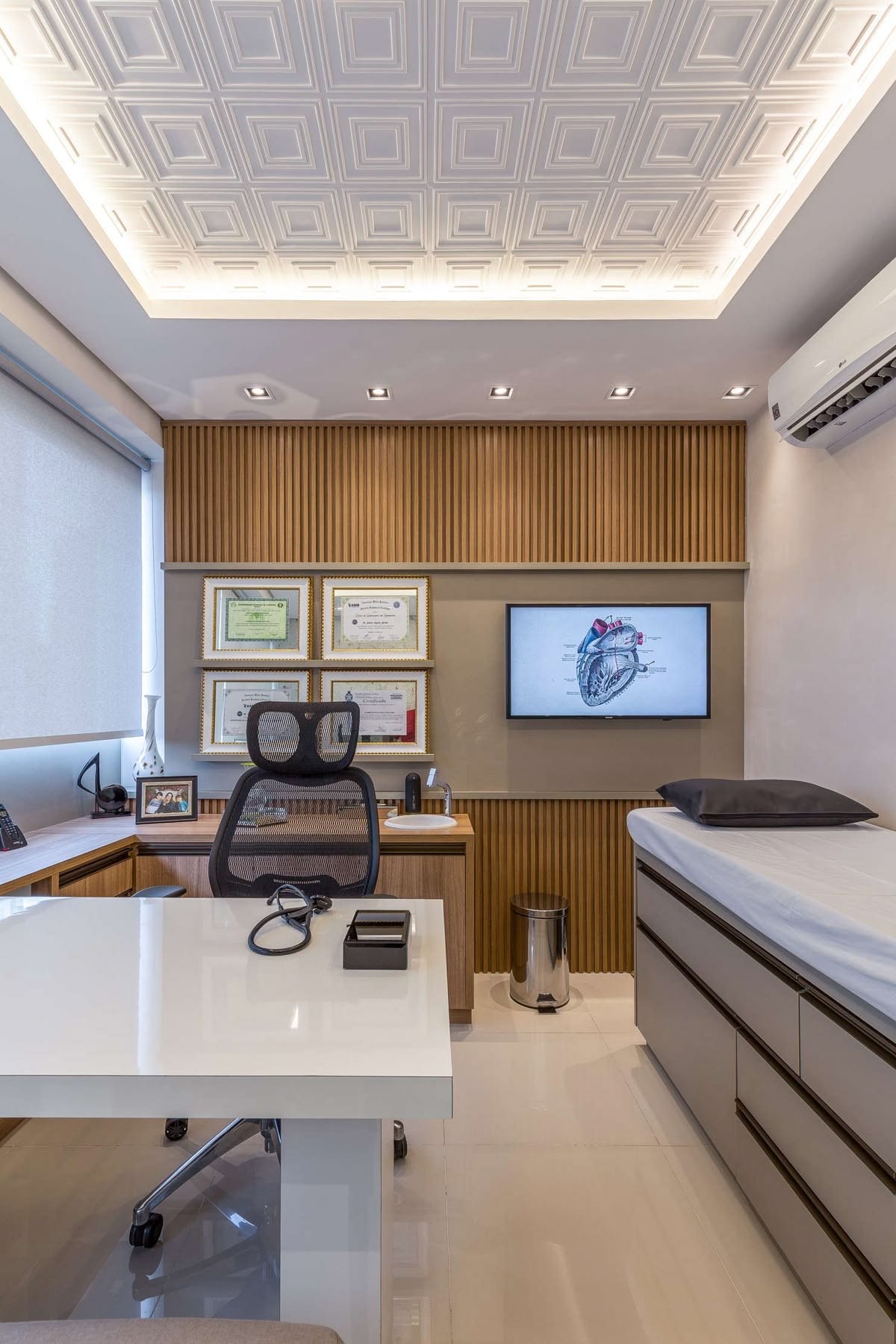
Healthcare interior design should feel clean, calm, and trustworthy. Clinics, dental offices, and medical centers need proper waiting areas, easy movement, hygienic materials, soft colors, and good lighting to make patients feel comfortable.
How Much Does Commercial Interior Design Cost?
The cost of commercial interior design depends on space size, location, materials, project scope, designer experience, and customization level. A small office renovation will cost less than a full hotel, restaurant, or large retail interior design project.
Designers may charge per square foot, fixed project fee, hourly rate, or a percentage of the total project cost. To control the budget, business owners should clearly discuss goals, timeline, materials, furniture needs, and commercial renovation plans before starting.
Why Should You Hire an Interior Designer for Commercial Spaces?
Hiring a commercial interior designer helps you avoid expensive mistakes. Many business owners choose furniture, colors, or lighting without understanding scale, durability, movement, and long term use. This can create problems after the space becomes active.
A professional designer gives you a clear plan. They understand interior fit out, space utilization, customer flow, lighting, materials, and brand image. They help you create a space that looks good, works smoothly, and supports your business growth.
Common Mistakes in Commercial Interior Design
One common mistake is focusing only on appearance. A space may look stylish in pictures, but if lighting is poor, seating is uncomfortable, storage is missing, or pathways are narrow, the design will not work well in daily use.
Another mistake is using weak materials in high traffic areas. Commercial spaces need durable flooring, strong furniture, washable finishes, and practical surfaces. Business owners should avoid copying competitors and instead design according to their own brand and customer needs.
How to Choose the Right Commercial Interior Designer
Start by checking the designer’s portfolio, experience, past projects, and client reviews. A good designer should understand commercial spaces, not just decoration. They should ask about your business goals, customers, budget, timeline, and daily operations.
Before hiring, discuss the design process, pricing, revisions, materials, project management, and final deliverables. Clear communication is important. The right designer will make your space attractive, functional, branded, and ready for long term business use.
Final Thoughts
Commercial interior design is a smart investment for any business that wants to improve its space, brand image, and user experience. A well designed commercial space can make customers feel welcome and help employees work with more comfort.
From office interior design to retail space design and restaurant interior design, every project needs a balance of style and function. With the right designer, your business space can become more attractive, practical, and powerful for long term growth.
Frequently Asked Questions
How does commercial interior design impact customer experience?
Commercial interior design shapes how customers feel the moment they enter your space. A well-designed environment, with the right lighting, layout, colors, and comfort, makes people feel welcome, relaxed, and more likely to stay longer.
how to design commercial interiors?
Commercial interiors are designed by planning the space for function, choosing suitable layouts, durable materials, proper lighting, and brand-focused colors to create a practical and attractive environment for users and customers.
What are the main elements of commercial interior design?
The main elements include space planning, lighting, furniture, color scheme, materials, branding, flooring, ceilings, safety, and accessibility.
Why should I hire a commercial interior design firm?
A commercial interior design firm helps create a well-planned, functional, and attractive business space. They improve layout, branding, lighting, and efficiency, making your space more professional, comfortable, and customer-friendly.