
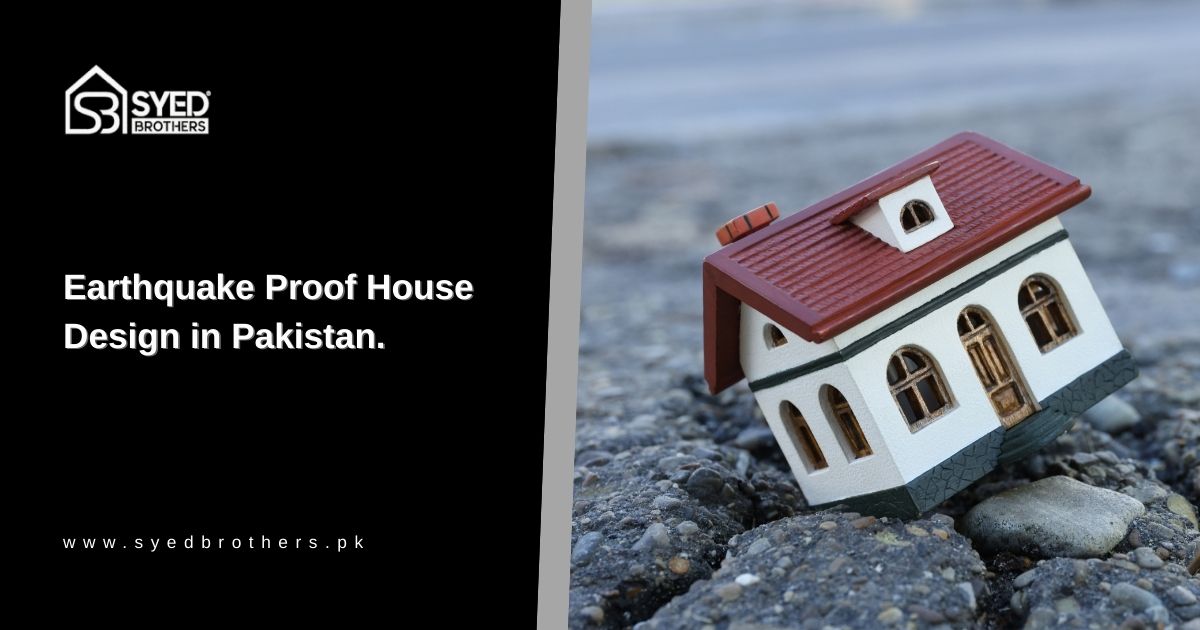
Earthquakes are a serious problem in Pakistan housing safety, because there is no planning to face earthquakes. Earthquake proof houses reduce this risk using proper engineering structure, good material and controlled layout that absorb seismic forces instead of collapsing. When we design our house remembering earthquake resistance, it protects us from a big accident, limits structural damage and ensures safety in high risk zones.
Basic Understanding
Earthquake resilient house design focuses on reducing structural damage and improving occupant safety during seismic events, rather than promising complete earthquake protection. It relies on smart structural planning, material strength, and controlled flexibility to help buildings absorb and distribute earthquake forces more effectively.
Why It Is Important
Earthquake resistance house design is important because most damage and loss of life occur during earthquakes when buildings fail. A properly designed home structure is built to move safely rather than fight against the forces of an earthquake. This reduces the risk of sudden collapse, falling roofs, and serious injuries, giving people a chance of staying safe inside their homes.
Earthquake-Proof Architecture Design
Vernacular Wisdom in Pakistan
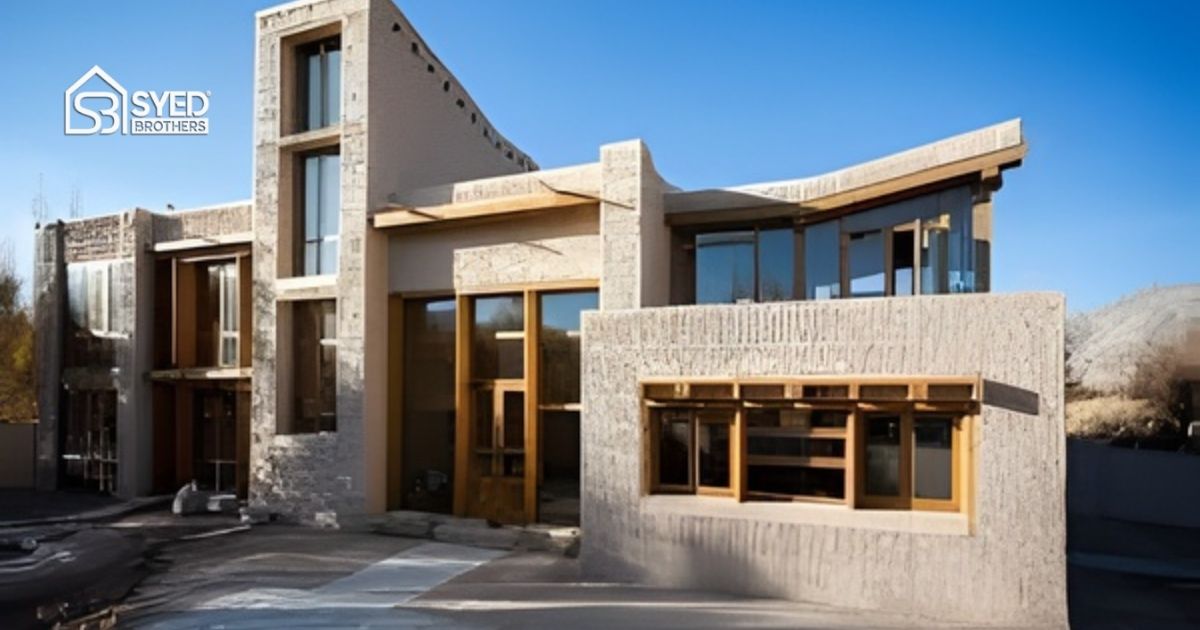
Vernacular architecture leverages traditional materials like clay and wood, harmonizing buildings with their local environment, including climate and potential natural disasters. This inherent connection grants these structures remarkable resilience against seismic events, minimizing risks to inhabitants.
Core Principle:
Utilizing readily available, traditional materials suited to the local climate.
Key Benefit:
Inherent resilience to natural disasters, such as earthquakes.
Application in Pakistan:
These resilient designs are prevalent in the northern (Hunza) and
southern (Balochistan) regions, where traditional building methods persist.
Smart Shelters
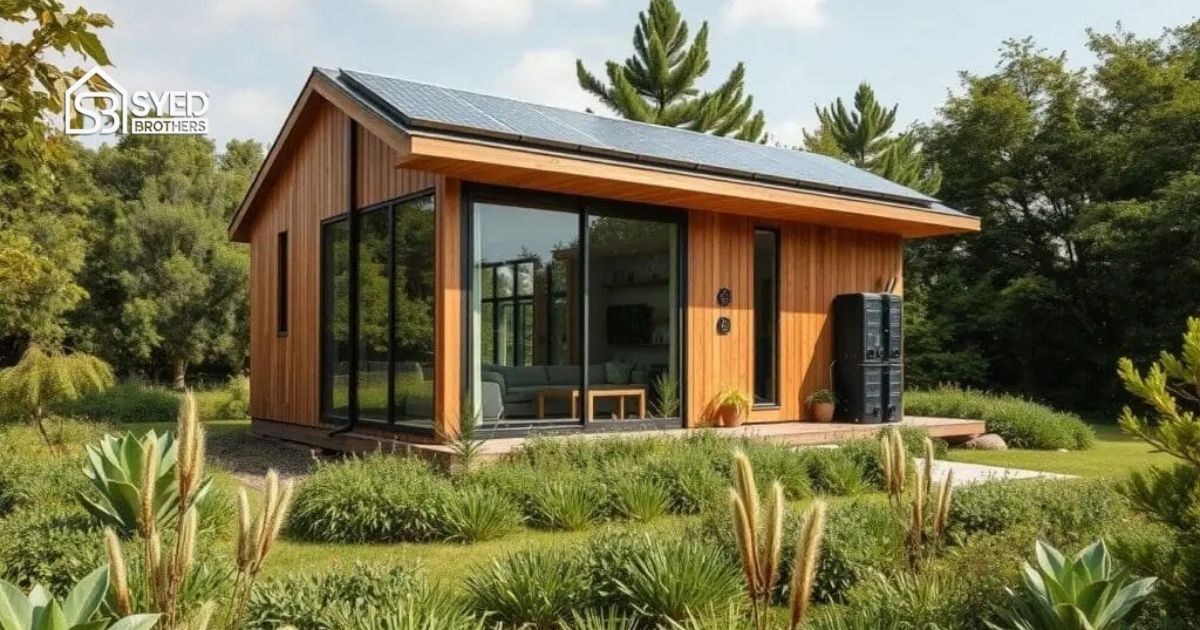
Smart Shelters is yet another architectural technique widely adopted in Pakistan, particularly in the areas undergoing rehabilitation after the earthquake in such places, for make-shilt or temporary arrangements, the structures are being built using wood laces and the tools made from iron, Timber or wood lacing in smart buildings introduces flexibility to the structures, thus protecting them from earthquakes jolts, Smart shelters also take inspiration from vemacular architecture. Such facilities are widespread in Kashmir as they were constructed after the earthquake of 2005.
Seismic Resilience Through Flexible Foundation

To withstand seismic shocks, modern architectural designs in Pakistan's earthquake-prone areas are incorporating flexible foundations. Adherence to the Post-Seismic Code (PSC) regulations, implemented after the 2005 earthquake, now requires the integration of concrete ductility (flexibility). These flexible bases, often constructed from a composite of rubber, lead, and steel, are designed to absorb earthquake energy. This innovative approach grants the building foundations an essential degree of flexibility, marking a significant initial step in developing earthquake-proof architecture within the region.
Tips for Earthquake proof Homes Design
Good planning is key to staying safe from earthquakes. Start your home with strong foundations, resilient structures, safe interiors, and expert guidance to protect your family and property.
1. Start with Strong and Proper Foundation
Earthquake safety starts from the house's basic foundations. If a house is built on soft soil, it is more chances to be damaged during a ground shaking or earthquake. It is very important to have a strong foundation such as a slab on grade, stem walls, or piers and beams. Build your homes with a strong foundation which will save your home from earthquakes.
2. Build Simple Resilient Structure
The overall design and structure of your home play a big or major role in earthquake resilience. Using high quality materials to build your house can save you from a big accident.Add shear walls, bracing systems, and proper connections so the building can absorb lateral motion. Symmetrical or regular designs also perform better in earthquake events.
3. Secure Interior design
to stay Safe inside of your home just as important as outside. To reduce landslide risks, grow trees in your house, plant ground cover and trees, secure equipment like pools or generators, and reinforce patios, decks, and sheds. Thoughtful outdoor design reduces risks and helps prevent your property from shaking.
4. Prepare the Outdoor Space
Landscaping and outdoor structures affect safety too. Planting trees on your ground can reduce landslide risks, secure equipment like pools or generators, and reinforce patios, decks, and sheds. Thoughtful outdoor design reduces hazards and helps your property withstand shaking.
5. Consult with Earthquake experts
If you want to build earthquake homes it is good to contact an experienced and qualified contractor. He can guide you on the safest materials, proper construction methods, and ensure your home meets local seismic standards.
Key Challenges in Earthquake Proof House Design
Building homes that can withstand earthquakes is complex, and not all challenges are equally critical. Here are the most important hurdles to keep in mind:
1. Ground & Soil Stability
The type of soil describes the scalability of a house in earthquake condition. Soft ground can affect the home earthquake resistance or it can be the cause of the foundation collapse. It is important to test ground before building a house.
2. Balancing Strength and Flexibility
Your house should not be completely rigid during a shaking or earthquake. They need to flex with the shaking. Use reinforced walls, proper bracing, shear walls, and flexible connections which help the house structure to absorb seismic forces safely, reducing the risk of cracks. Poor balance can lead to cracking or structural collapse.
3. High Construction Costs
To design an earthquake resistant home you need skilled labor, more expensive good material and dampers which can be costly. These costs can make it challenging for many homeowners or developers to fully implement safety measures.
4. Compliance with Building Codes
An earthquake resistant building or home must follow the seismic codes. Following seismic codes requires skilled professionals, To use these codes and ensure safety hire experienced and trained professionals and conduct regular inspection.
Looking to construct a durable, earthquake-proof home? Contact Syed Brothers, A professional architectural design company that ensures you select the right home design, structure, materials and layout to protect your family and your investment.
Conclusion
Earthquake resistant home design focuses on reducing risk in the event of an earthquake, not eliminating the risk completely. But it can reduce loss and protect lives through smart design and construction planning. You just need to build strong foundations, safe interiors, and expert guidance can play a vital role in helping homes withstand seismic forces.