
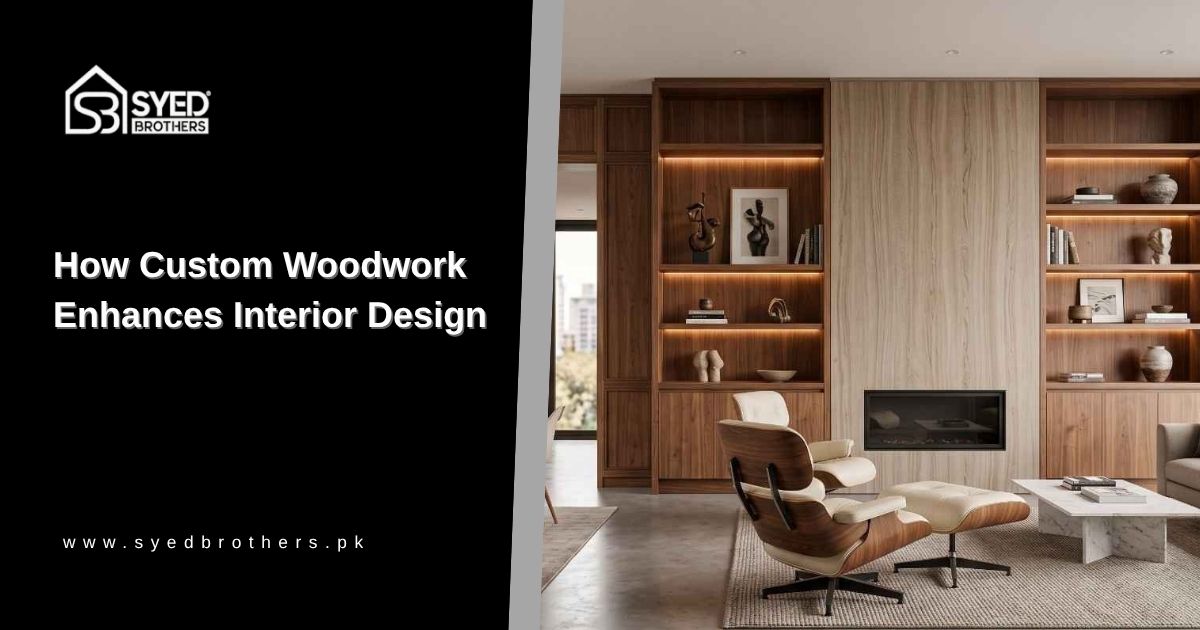
Custom woodwork can completely reshape the way an interior looks and works. Instead of filling a space with standard pieces, tailored wood features add warmth, structure, and character while improving storage, using awkward areas wisely, and creating a smoother room-by-room design. From built-in shelving and custom cabinetry to wall paneling, media units, and smart storage, every detail can be designed around how the space is used. The result is an interior that feels more organized, balanced, personal, and thoughtfully connected.
What Is Custom Woodwork and Why Is It Important?
Custom woodwork means wood features made specifically for a room, purpose, and design. It includes cabinets, built-in shelves, wall panels, trim, staircases, window seats, desks, and other pieces created to fit the exact space instead of using standard ready-made furniture.
It is important because it can use awkward areas better, improve storage, and make the room feel more organized. You can also choose the wood, finish, size, and details, helping the final design match the interior and everyday needs.
Choosing Suitable Custom Woodwork for Every Room
Different rooms need different solutions, so the best custom piece should begin with function. A living room may need display storage, while a bedroom may need fitted wardrobes and a home office may require a desk with hidden cable space.
Living Room
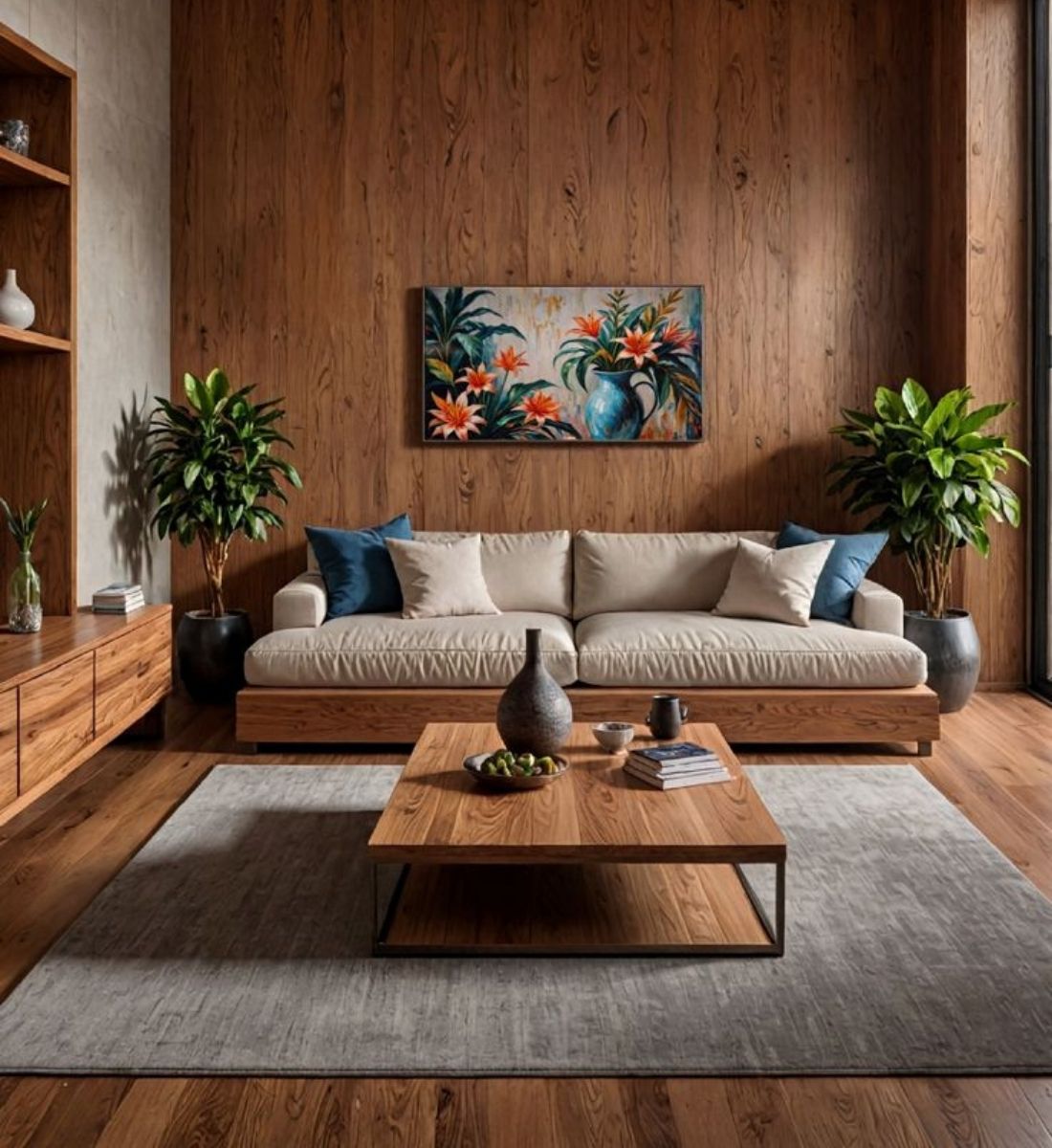
Living rooms often benefit from media walls, built-in shelving, bookcases, and closed cabinets. These features can organize electronics, books, and decorative pieces while reducing the need for separate furniture, helping the main seating area feel more open and visually connected.
Bedroom
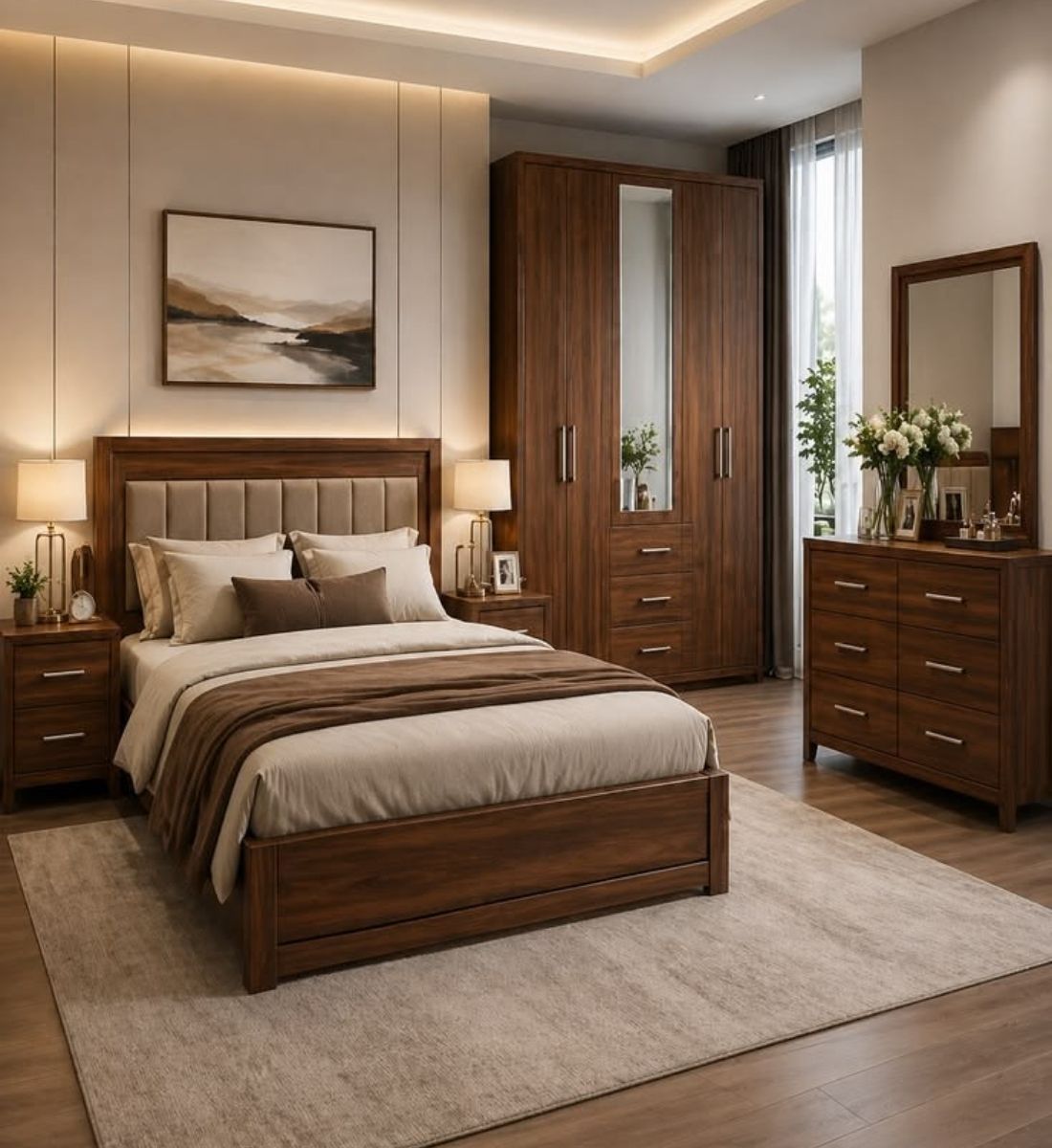
Bedrooms need storage that works without making the room feel crowded. Floor-to-ceiling wardrobes, fitted bedside units, and window seats with drawers can use available space more efficiently while giving clothes, shoes, and personal items a clear and convenient place nearby.
Kitchen
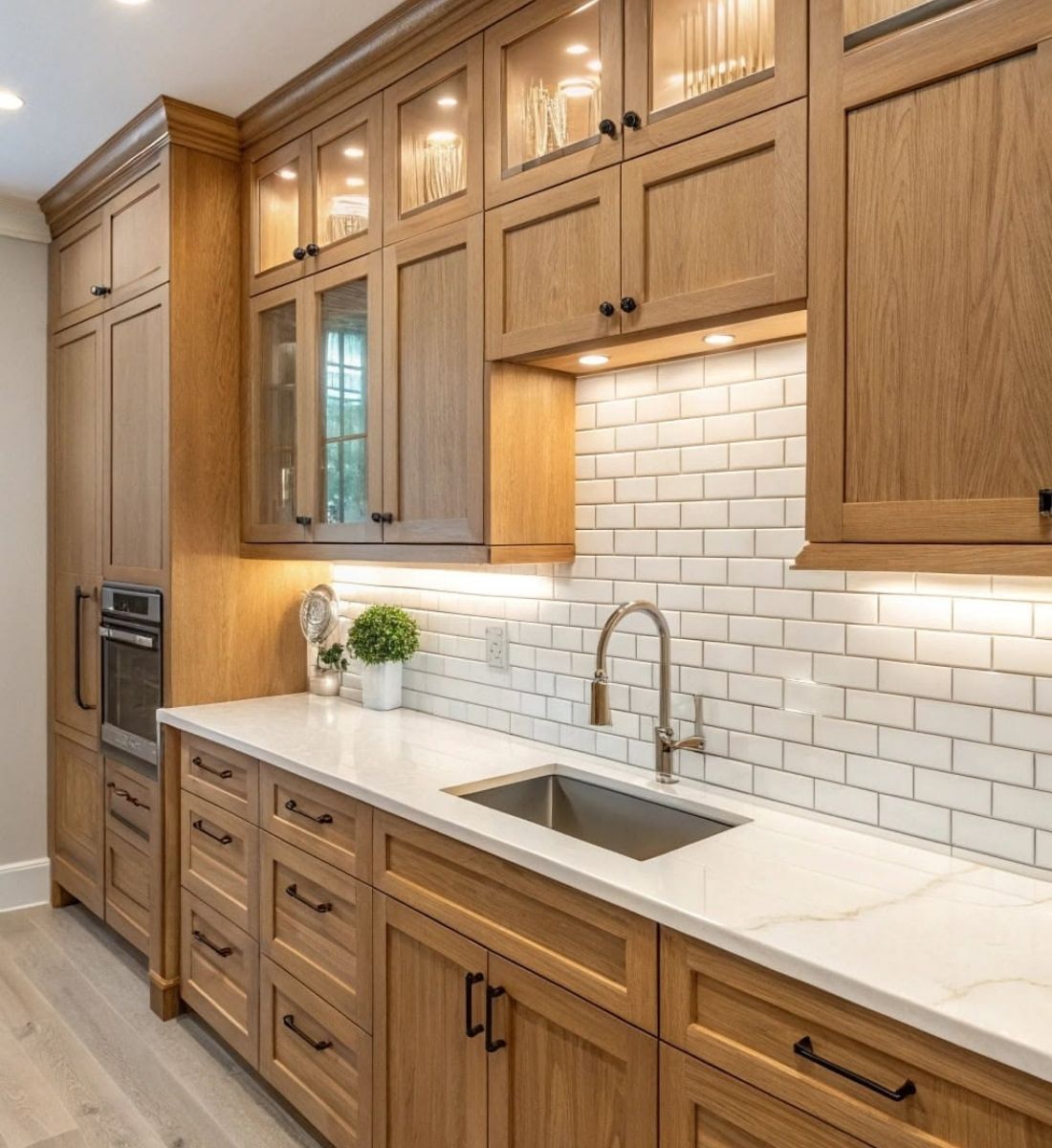
Kitchen woodwork should support cooking, storage, and movement. Custom cabinetry can be planned around appliances, cookware, pantry items, and everyday routines, helping difficult corners work better while giving more control over drawer sizes, cabinet heights, shelving, and internal organization overall.
Home Office
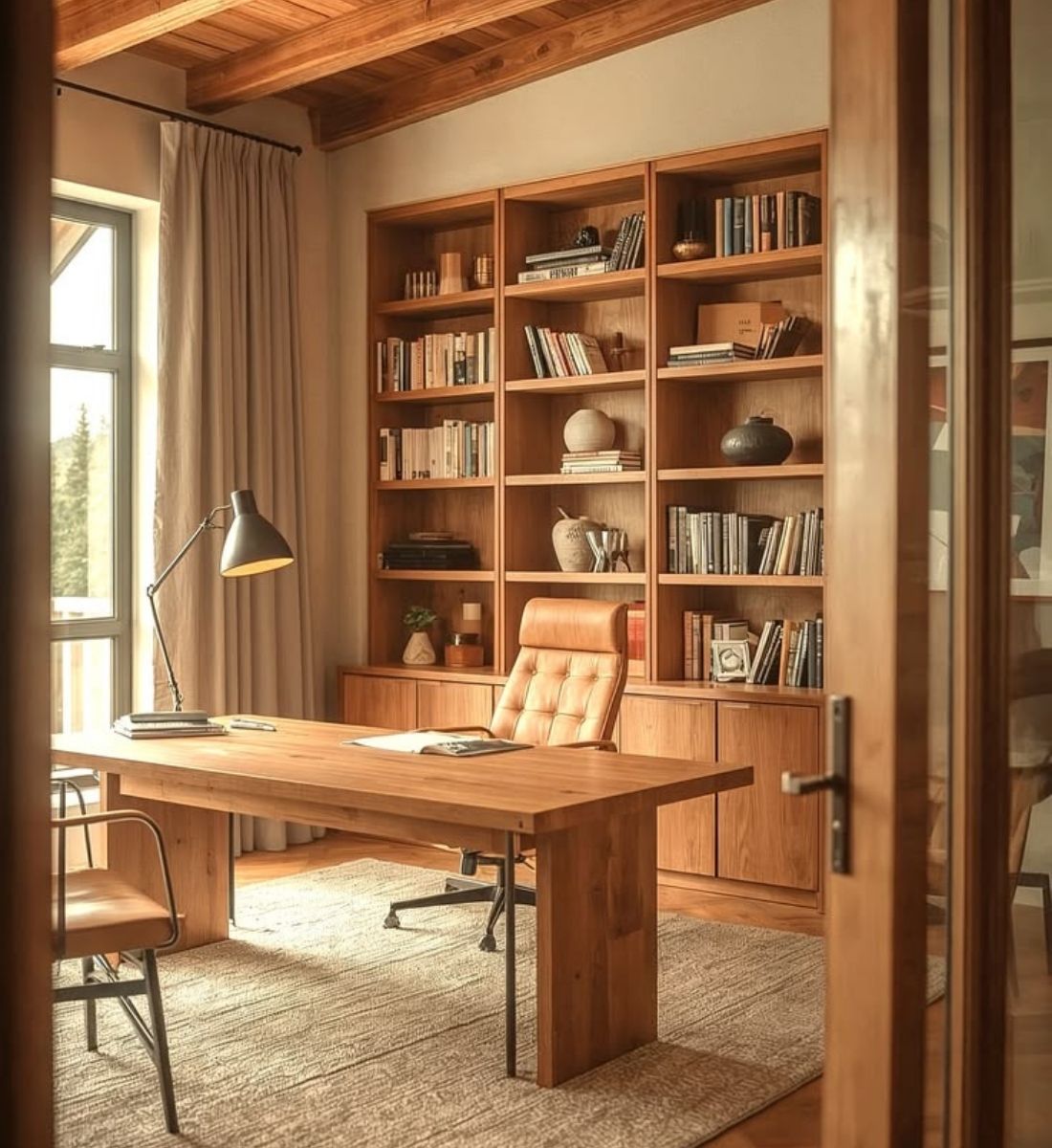
A home office can quickly feel messy when equipment and storage are poorly planned. Built-in desks, shelves, drawers, and cabinets can organize files and technology, while cable routes and power access can be considered early for a cleaner workspace daily.
Dining Area
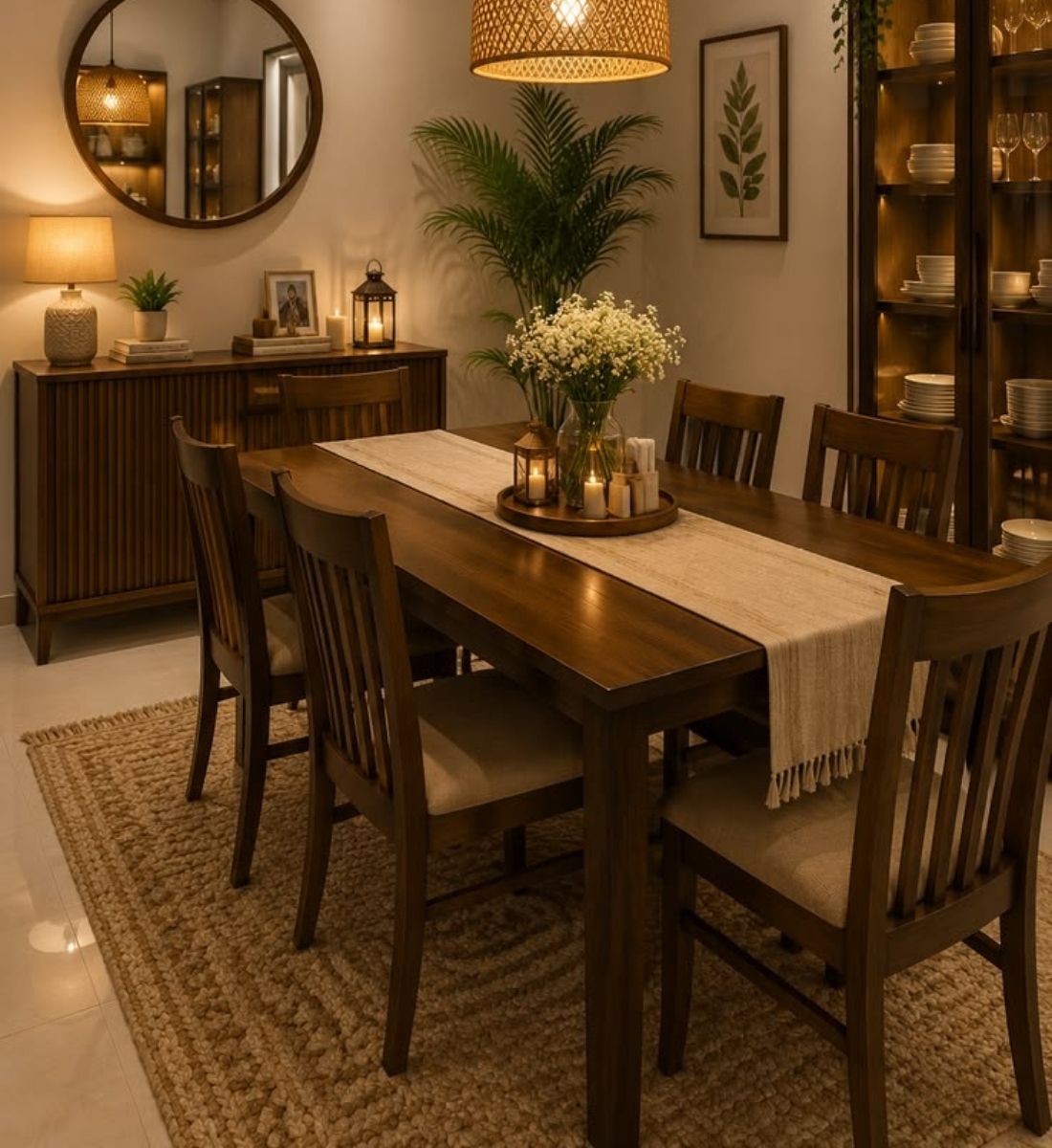
Entryways and dining areas often need practical storage without bulky furniture. Benches, shoe cabinets, coat storage, banquettes, and display units can give these spaces a clearer purpose while keeping frequently used items organized, accessible, and easy to reach each day.
Benefits of Custom Woodwork
- Better use of space: Custom pieces can fit awkward corners, narrow walls, and unused areas more efficiently.
- More useful storage: Cabinets and shelves can be planned around your actual storage needs and daily routine.
- Personalized design: You can choose the wood, finish, size, style, and details that suit the room.
- Cleaner appearance: Built-in features can reduce the need for extra furniture and help the space feel more organized.
- Adds character: Paneling, shelving, and custom details can give the room more depth and visual interest.
- Better overall fit: Each piece is made for a specific space, so it can feel more natural and connected to the interior.
Custom Woodwork for Different Interior Styles
Custom woodwork can suit many interior design styles because its character depends on proportion, detailing, material, and finish. The same basic cabinet can feel modern, traditional, relaxed, or refined depending on how these elements are combined within the room and decor.
The goal is not to match a style label perfectly, but to make the piece feel consistent with the rest of the space. Looking at furniture, flooring, wall finishes, lighting, and architecture helps guide the right design direction more naturally.
Choosing the Right Wood Species for Custom Woodwork
Choosing the right wood species affects more than color. Grain pattern, durability, finish, maintenance, and cost all influence how the final piece will look and perform, so the material should suit the interior design, overall style, and the way the space will be used.
| Wood Species | Look & Grain | Best For |
|---|---|---|
| Oak | Strong, visible grain | Cabinets, built-ins, shelving |
| Walnut | Dark, rich, distinctive grain | Statement pieces, shelving, cabinetry |
| Maple | Light, smooth, subtle grain | Cabinets, fitted furniture, shelves |
| Cherry | Warm tone with a smooth grain | Classic cabinetry and furniture |
| Pine | Light, soft, visible knots | Rustic or relaxed interiors |
Step-by-Step: Planning a Custom Woodwork Project
Planning custom woodwork starts with the room’s needs, measurements, materials, and daily use. Working with an experienced interior designer can help ensure the piece fits the space, matches the overall style, and functions well before construction begins.
Step 1: Define the Purpose
Decide what the woodwork needs to do, such as provide storage, seating, display space, or a practical work area daily.
Step 2: Check the Space
Check the room size, layout, doors, windows, furniture, and walking space before deciding where the custom piece should go comfortably.
Step 3: Measure and Plan
Take accurate measurements and plan the height, width, depth, shelves, drawers, and doors so everything fits the room properly inside.
Step 4: Choose Materials
Choose the wood, finish, paint, stain, and hardware that match the room’s style, colors, flooring, and existing furniture very well.
Step 5: Build the Piece
Build the piece according to the approved measurements and design, making sure each part is shaped, assembled, and finished carefully.
Step 6: Install and Adjust
Install the woodwork carefully and make any small adjustments needed so it fits neatly, opens smoothly, and works properly daily.
Mistakes to Avoid With Custom Woodwork
- Designing without a clear purpose: Start with how the piece will be used, not just how it looks.
- Ignoring the room style: Make sure the wood, finish, and details work with the flooring, walls, furniture, and existing trim.
- Poor measurements: Small measuring errors can cause fitting problems, uneven gaps, or doors that do not open properly.
- Choosing the wrong material: Select wood based on durability, location, maintenance, and daily use, not appearance alone.
- Forgetting daily use: Check storage access, door swings, walking space, lighting, and power points before the piece is built.
- Rushing the process: Custom woodwork needs careful planning, building, finishing, and installation to achieve a clean and practical final result.
Ready to Create Custom Woodwork for Your Space?
A custom piece can turn an awkward corner, empty wall, or cluttered area into something more useful while adding character to the room. If you are planning an update and want a solution that fits your space and daily needs, contact us today to discuss your ideas.
Frequently Asked Questions
How Can Custom Woodwork Improve My Interior?
Custom woodwork can improve storage, use awkward areas more effectively, and give a room stronger visual structure. Because each piece is designed for a specific space, it can also feel more connected to the surrounding layout, furniture, finishes, and architecture.
How Much Does Custom Woodwork Cost in 2026?
The cost depends on the project size, wood type, design details, finish, and installation needs. Simple pieces usually cost less, while large or highly detailed custom work requires a bigger budget.
Can Custom Woodwork Work in a Small Home or Apartment?
Yes. Custom woodwork can make small spaces more useful by adding fitted storage, using awkward corners, and reducing the need for bulky furniture.
How Long Does a Custom Woodwork Project Typically Take?
The timeline depends on the size, design, materials, and installation needs. Simple pieces may take a few weeks, while larger projects can take longer.