
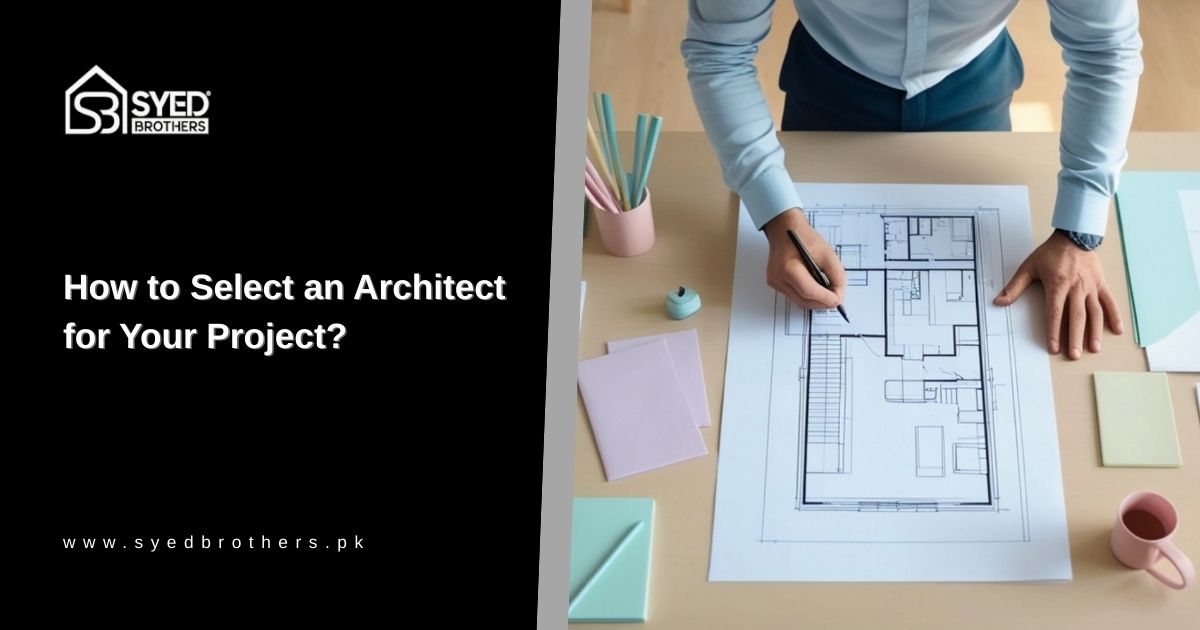
Building or renovating a home is one of the biggest investments you will ever make. Whether you are planning a dream home, an extension, or a commercial project, the architect you choose will shape your vision into reality. But how do you select the right architect? This guide walks you through everything you need to know to find the perfect match for your project in 2026.
Why Choosing the Right Architect Matters
An architect does much more than draw pretty pictures. They turn your ideas into functional, beautiful spaces while handling technical details, building codes, and budgets. The right architect understands your lifestyle, respects your budget, and brings creativity that you might not have imagined. A wrong choice, however, can lead to delays, cost overruns, and a final result that leaves you disappointed.
Think of your architect as a partner in your journey. You will work closely with them for months or even years. That is why taking time to choose wisely is so important.
Start by Understanding Your Own Needs
Before you begin searching for an architect, spend some time understanding what you actually need. Ask yourself a few simple questions. What type of project is this? Are you building a new home, adding an extension, or renovating an existing space? What is your budget range? Do you have a specific style in mind, like modern, traditional, or sustainable design?
Write down your goals, preferences, and any must-haves. Create a mood board with images that inspire you. This clarity will help you communicate your vision to potential architects and quickly identify those who align with your taste.
Where to Find Potential Architects
Once you know what you want, it is time to start your search. There are several ways to find architects who might be right for your project.
Personal recommendations are often the best starting point. Ask friends, family, neighbors, or colleagues who have recently completed similar projects. They can share honest feedback about their experience, which online reviews sometimes lack.
Personal recommendations are often the best starting point. Ask friends, family, neighbors, or colleagues who have recently completed similar projects. They can share honest feedback about their experience, which online reviews sometimes lack.
Online directories and professional associations are also valuable resources. Organizations like the American Institute of Architects or the Royal Institute of British Architects maintain lists of licensed professionals. These memberships indicate that the architect follows industry standards and ethical practices.
Social media and design websites like Houzz, Pinterest, and ArchDaily showcase portfolios and completed projects. Browsing these platforms helps you discover architects whose style matches your vision.
Check Their Credentials and Experience
Not all architects are the same. Licensing requirements vary by region, so make sure any architect you consider is properly licensed to practice in your area. This protects you legally and ensures they have the necessary training and qualifications.
Experience matters too, but not just any experience. Look for architects who have worked on projects similar to yours. If you are building a sustainable home, find someone with a track record in green design. If you need a kitchen extension, choose someone who has handled residential renovations. An architect who specializes in commercial buildings may not be the best fit for your family home.
Ask how long they have been practicing and request references from past clients. Speaking with previous clients gives you real insight into what it is like to work with that architect.
Review Their Portfolio Carefully
NAn architect's portfolio tells you a lot about their design style, creativity, and attention to detail. Look beyond just the pretty pictures. Pay attention to how they solve problems, use space, and handle materials. Do their designs feel fresh and thoughtful, or do they look generic?
If possible, visit completed projects in person. Photos can hide flaws and exaggerate strengths. Walking through a building lets you experience the quality of construction, the flow of spaces, and the small details that make a design truly successful.
Meet and Interview Your Top Choices
After narrowing your list, schedule meetings with your top candidates. This is your chance to ask questions and get a feel for their personality and working style.
Prepare a list of questions to ask each architect. Here are some important ones to consider:
How do you approach a new project? This reveals their design process and how they gather information from clients.
What is your experience with projects like mine? You want someone who understands the specific challenges of your project type.
How do you handle budgets and timelines? An honest architect will tell you if your expectations are realistic and how they manage costs.
What is your communication style? Find out how often they will update you and whether they prefer phone calls, emails, or in-person meetings.
Who will actually work on my project? In larger firms, the principal architect may not handle day-to-day tasks. Know who your main contact will be.
Can you provide references? A confident architect will gladly share contact information for past clients.
During these conversations, pay attention to how well they listen. A good architect asks questions to understand your needs rather than pushing their own ideas. Trust and mutual respect are essential for a successful partnership.
Understand the Fee Structure
Architect fees can vary widely, and understanding how they charge is crucial before signing any agreement. Some architects charge a flat fee for the entire project. Others charge an hourly rate or a percentage of the total construction cost, typically ranging from 5 to 15 percent.
Ask for a detailed breakdown of what is included. Does the fee cover initial design concepts, construction drawings, permit applications, and site visits during construction? Are revisions included, or do they cost extra?
Be wary of fees that seem unusually low. While everyone loves a bargain, a cheap architect may cut corners or lack the experience you need. Quality design work requires time and expertise, and that comes at a fair price.
Get everything in writing. A clear contract protects both you and the architect and prevents misunderstandings later.
Consider Their Approach to Sustainability
In 2026, sustainability is more important than ever. Energy-efficient homes save money on utility bills, reduce environmental impact, and often qualify for tax incentives. If green building matters to you, look for architects who specialize in sustainable design.
Ask about their experience with energy-efficient materials, solar integration, water conservation, and passive heating and cooling techniques. A knowledgeable architect can guide you toward choices that benefit both your wallet and the planet.
Embrace Modern Technology
The architecture industry has embraced technology in exciting ways. Building Information Modeling, known as BIM, allows architects to create detailed 3D models that show how your project will look and function before construction begins. Virtual reality tools let you walk through your future home digitally.
These technologies reduce errors, improve communication, and help you make informed decisions. Ask potential architects what tools they use and how technology enhances their xdesign process.
Making Your Final Decision
After meeting several architects and gathering all the information, it is time to decide. Compare your notes, portfolios, references, and fee proposals. Consider who best understands your vision, who you feel most comfortable with, and who offers the best value for your investment.
Remember, the cheapest option is not always the best. The right architect will save you money in the long run by avoiding costly mistakes, maximizing your space, and adding value to your property.
Once you have made your choice, review the contract carefully before signing. Make sure it includes the scope of work, timeline, fee schedule, and terms for any changes. A clear agreement sets the stage for a smooth and successful project.
Final Thoughts
Selecting an architect is not a decision to rush. Take your time, do your research, and trust the process. The right architect will transform your ideas into a space that enhances your life for years to come. They will navigate the challenges, handle the details, and bring creativity you never expected.
Your dream project deserves the best partner. With careful planning and the guidance in this article, you will find an architect who shares your vision and has the skills to make it real. For comprehensive planning and execution, explore Syed Brothers Architectural Designs Services. Good luck with your project in 2026!