
What Is Minimalist Interior Design?
Minimalist interior design is a style rooted in simplicity, function, and intentional living. It strips
away everything decorative that doesn't serve a purpose, leaving behind spaces that feel clean,
spacious, and deeply considered.
Neutral tones, open floor plans, quality materials and purpose-driven furniture placement all
work together to build spaces that feel effortlessly composed. It's a design language that
translates beautifully across homes, apartments and even offices.
Minimalist Interior Design Ideas for Every Room
Each room in your home has its own purpose, and minimalist design adapts to serve that purpose beautifully. Here's how it translates across different spaces.
Minimalist Living Room Design
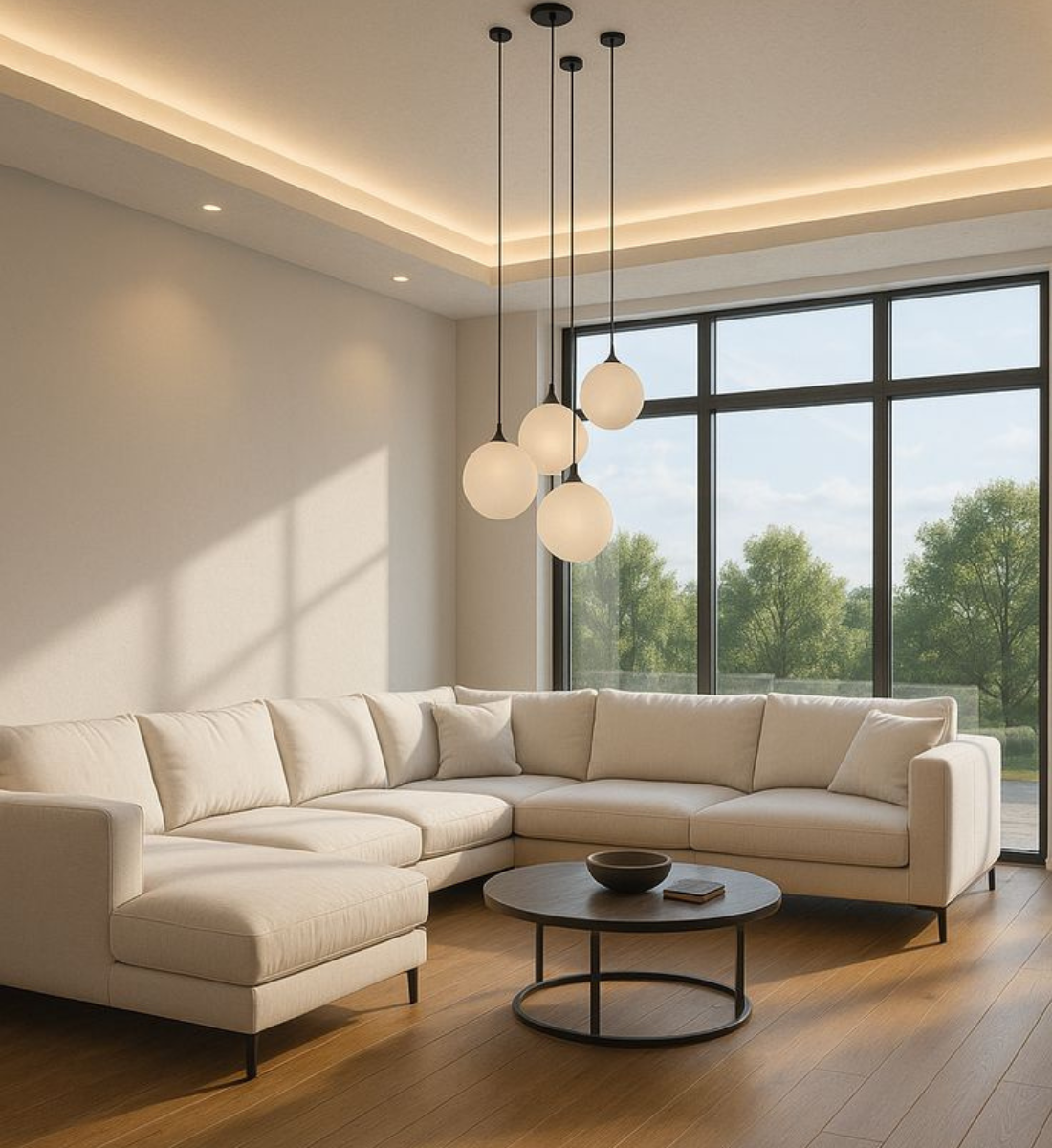
The living room is where minimalism truly shines. Start by choosing a low-profile sofa in a neutral tone, warm grey, off-white or soft taupe all work well. Keep the coffee table simple, ideally with clean geometric lines, and resist the urge to fill every surface with decorative objects.A sculptural vase, a single framed print will do far more than a crowded gallery wall.
Minimalist Bedroom Design
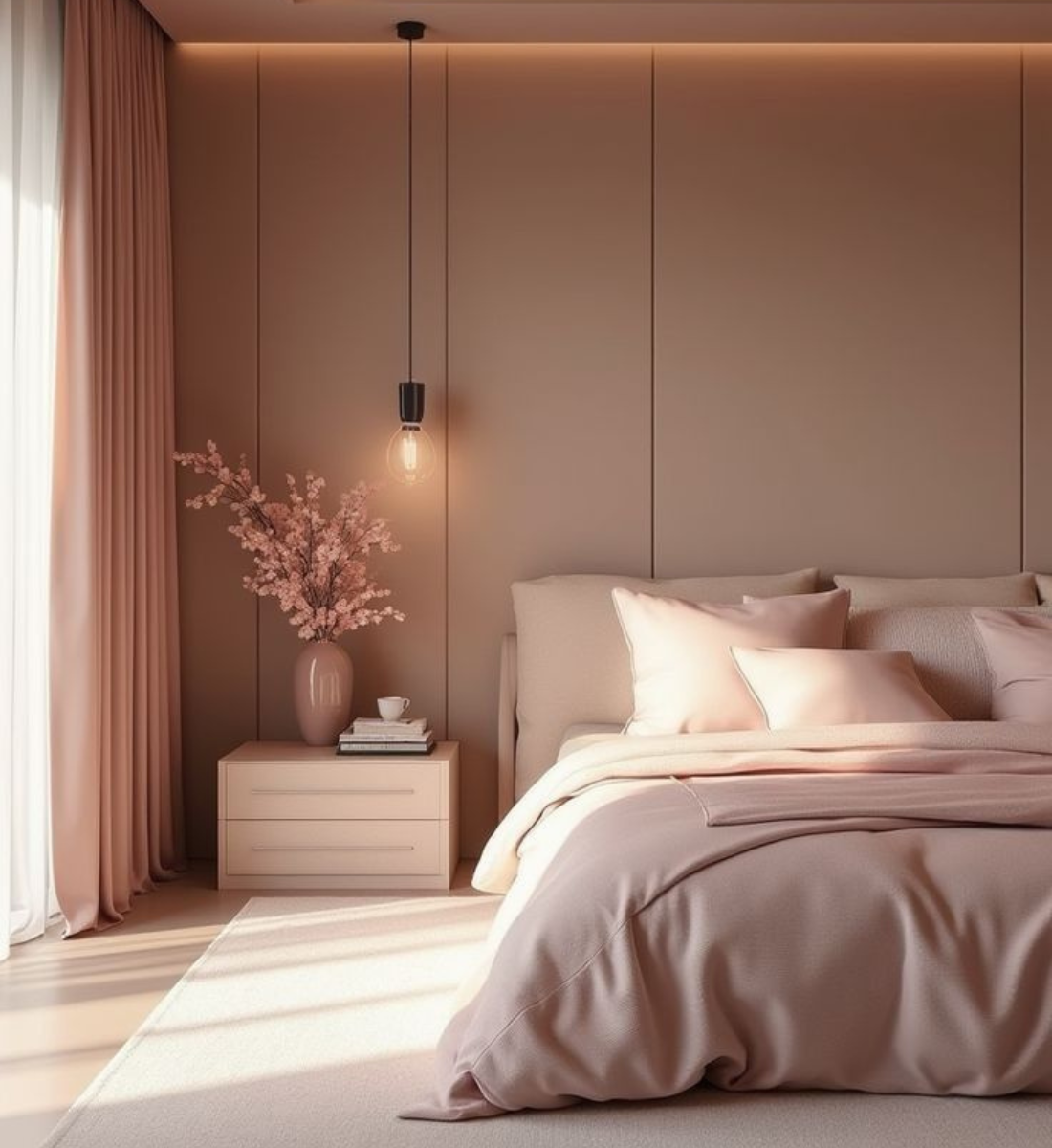
A platform bed with a low headboard, clean bedding in muted tones, and a single bedside table
on each side that's often all you need. If you have a morning routine, give every item in it a
dedicated drawer or shelf.
Built-in wardrobes with flat panel doors are a minimalist bedroom's best friend. Choose soft,
warm lighting over harsh overhead bulbs and let natural light do the heavy lifting during the day.
Minimalist Kitchen Design
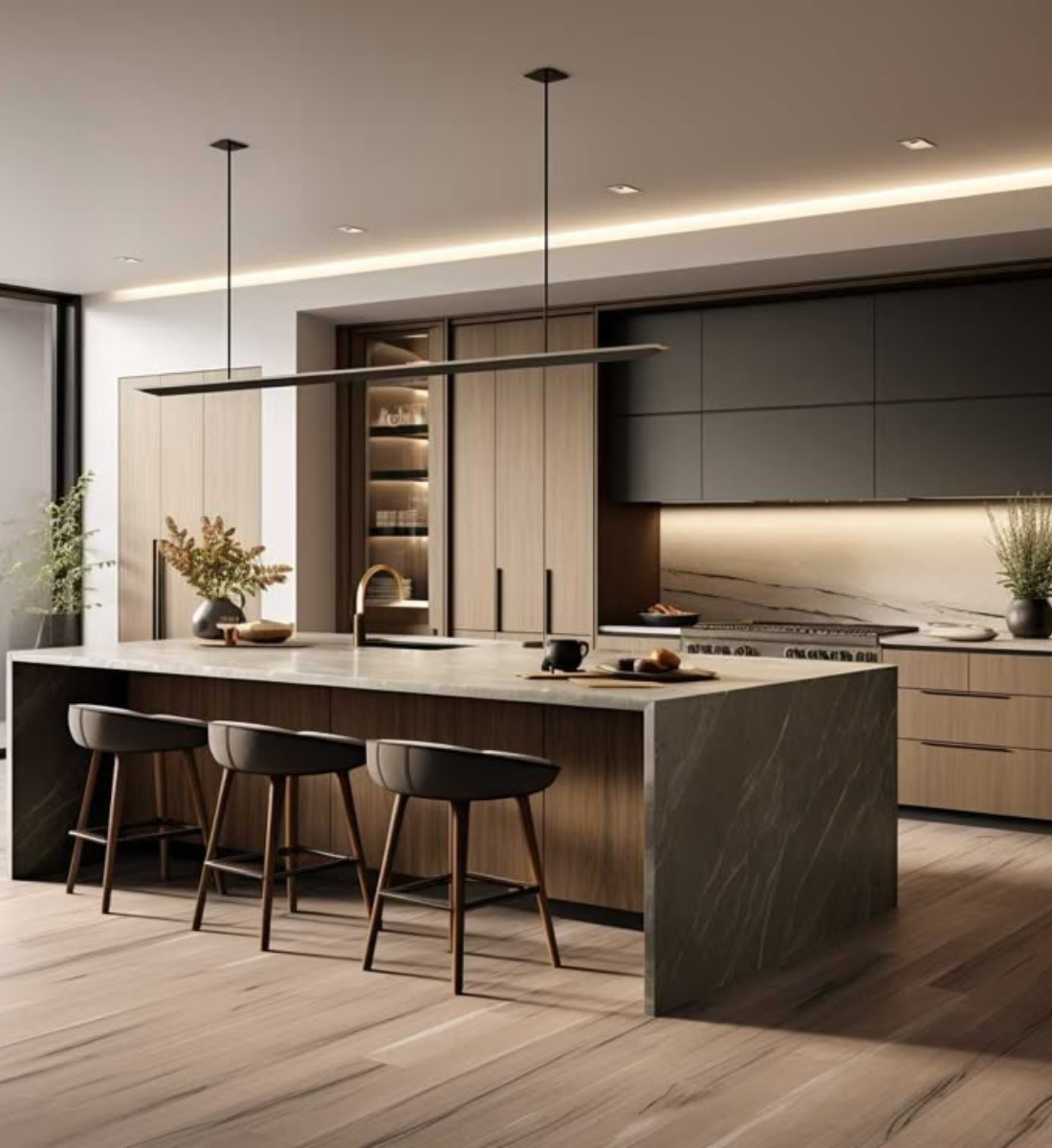
A minimalist kitchen isn't just beautiful, it's incredibly functional. Flat-front cabinetry in white,
cream, or matte grey creates a seamless, smooth look. Integrated appliances keep countertops
free from visual interruption, and a simple stone or quartz countertop ties everything together
with texture and permanence.
A sleek pendant light above an island, open shelving used sparingly and a cohesive hardware
finish across all cabinets will give the space that polished, effortless look.
Minimalist Bathroom Design
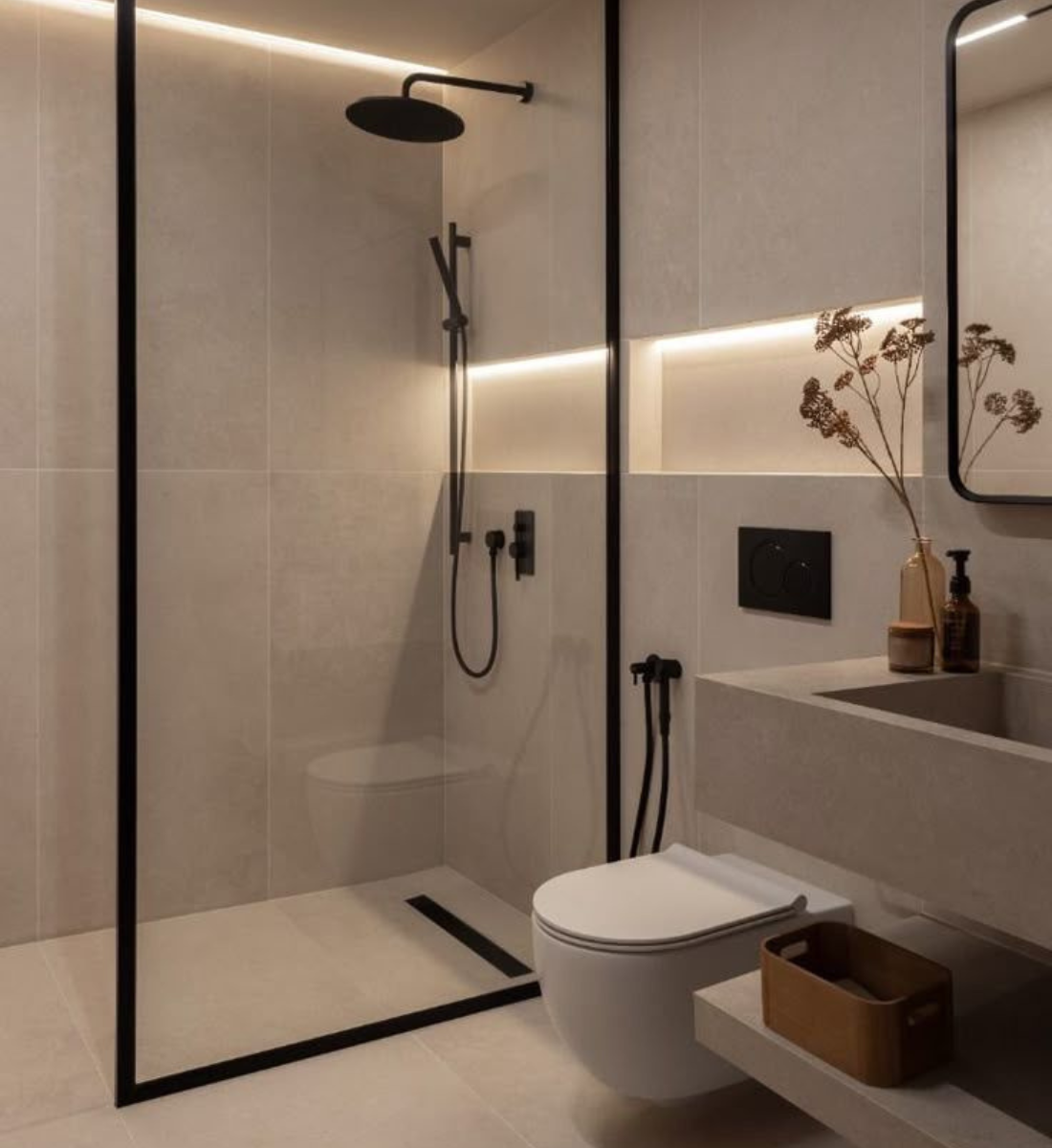
In a minimalist bathroom, the finish quality speaks loudly. A wall-hung vanity, a frameless glass
shower screen and large-format tiles in a single tone all work together to create a spa-like
atmosphere without a single unnecessary element.
Keep toiletries tucked away in recessed shelving or under-vanity storage, and choose simple,
sculptural fixtures over ornate ones.Colour plays a big role here. Soft white, warm stone or pale
greige tones give the bathroom a light, airy quality.
Minimalist Hallway Design
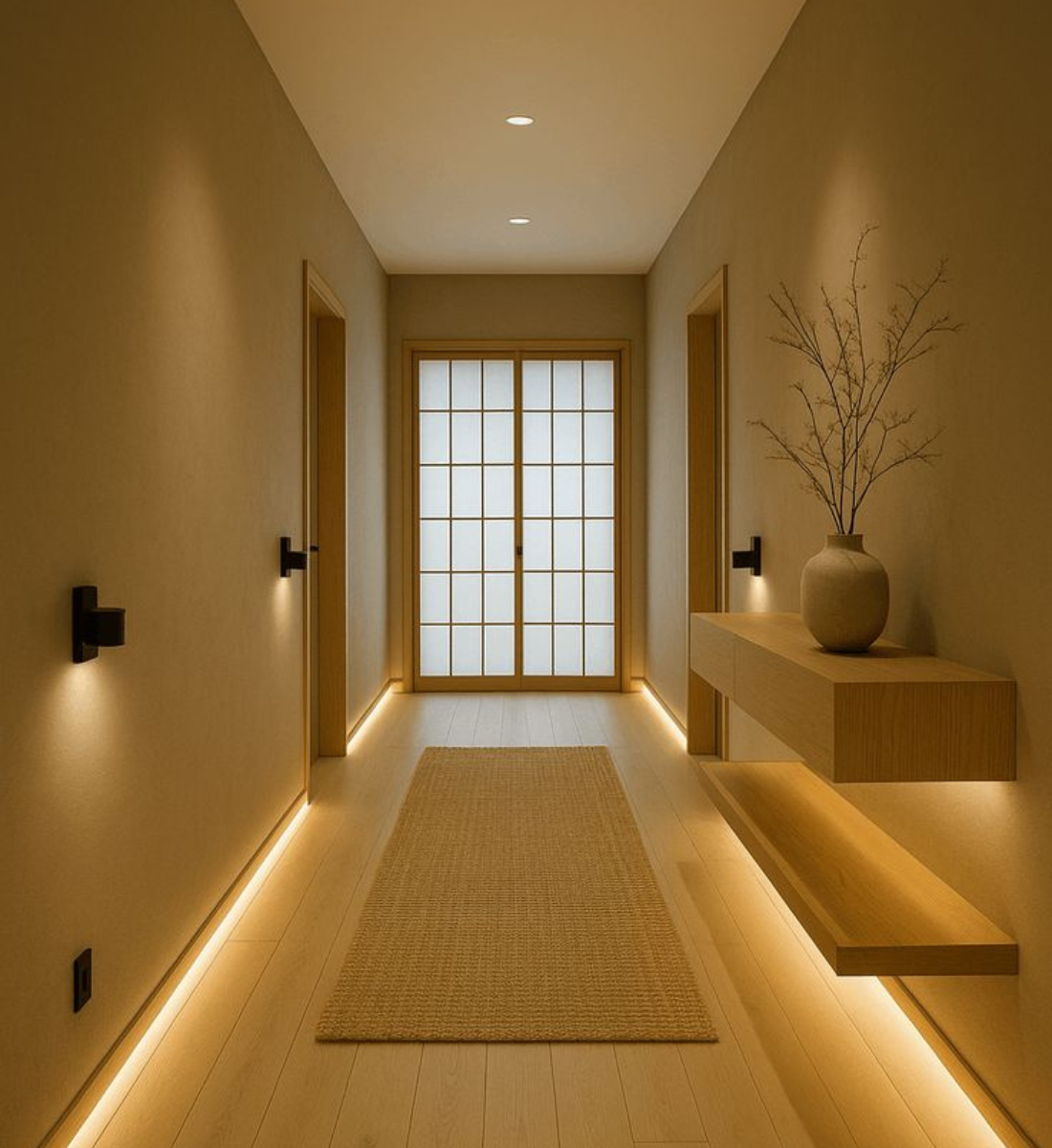
Hallways are often the most neglected spaces in a home, but in minimalist design, they set the tone for everything that follows. Keep it simple: a slim console table, a single piece of wall art, and concealed coat storage go a long way. Use light-coloured walls to maximise the sense of space and consider continuous flooring that runs from the entrance through the rest of the home for a smooth, expansive feel.
Core Principles of Minimalist Interior Design
Every great minimalist space is built on a set of foundational principles. These rules aren't rigid, they're guidelines that, when applied with proper intention, consistently produce spaces that feel calm, seamless and beautifully resolved.
Neutral Color Palette
Minimalist design lives in a world of whites, creams, warm greys, soft taupes, and muted earth tones. These colours don't compete for attention, they create a quiet backdrop that lets form, texture and light take centre stage.
Clean Lines and Simple Forms
Rectangular sofas, flush-front cabinets, simple rectangular mirrors, and doorframes with no decorative moulding. These clean lines create a visual rhythm that feels orderly and restful, the eye moves through the space without friction.
Functional and Intentional Furniture
In minimalist design, every piece of furniture must justify its presence. A storage ottoman that doubles as a coffee table, a dining bench that tucks neatly away, a bed frame with built-in drawers, these are the kinds of choices that define good minimalist thinking.
Use of Natural Materials
Wood, stone, linen, cotton, leather, all natural materials bring warmth and texture into minimalist spaces in a way that synthetic alternatives simply can't. A raw oak dining table, a travertine kitchen worktop, a jute rug or a linen throw all introduce tactile richness without adding visual clutter.
Thoughtful Lighting Design
Layered lighting that combines ambient, task, and accent sources gives you complete control over how a room feels at different times of day. Large windows maximise natural light, clean-lined pendant lights, discreet recessed downlights, and warm-toned floor lamps all play different roles.
Minimal Decor and Clutter-Free Spaces
A single ceramic bowl, a few carefully selected books, one piece of original artwork, these are enough.Clutter-free living doesn't mean bare, it means edited.
Benefits of Minimalist Interior Design
- It reduces stress.Multiple studies have found disorganised, busy living spaces elevate cortisol levels. A calm, uncluttered space gives your brain less to process and more room to relax.
- It's easier to maintain. Fewer objects mean fewer surfaces to clean, fewer things to dust, and less time spent tidying.
- When you commit to buying only what you truly need and choosing quality pieces that last, you naturally spend less on replacements, impulse purchases, and things that end up in storage.
- It makes spaces feel larger. Good minimalist design can make even a small room feel generous. By eliminating visual noise, keeping furniture scaled to the room, and maximising natural light, even compact spaces can feel open and airy.
- When your home only contains things you use and love, daily life becomes more focused.
How to Create a Minimalist Home
You don't need to change your entire house to achieve minimalism. These four steps will help you get there gradually and confidently.
Declutter and Simplify
Before you buy anything new or make any design decisions, go through every room and be
honest about what stays. If you haven't used it in a year, if it doesn't bring you genuine joy,let it
go. Donate, sell, or recycle.
The decluttering process is often the most liberating part of the whole journey.Work room by
room rather than tackling everything at once. Start with the space that bothers you mos
Choose Quality Over Quantity
Once the clutter is gone, resist the urge to refill the space. Instead of buying several affordable pieces, invest in one or two truly well-made items. A handcrafted dining table, a quality sofa in a durable neutral fabric, or a beautifully made bed frame will be best for a minimalist home.
Focus on Functionality First
Every design decision should begin with the question: what does this space need to do? Functionality comes first, aesthetics second. If a living room needs storage, build it in cleverly rather than adding freestanding shelving units. If a bedroom needs more light, prioritise natural light before adding lamps.
Common Mistakes to Avoid in Minimalist Design
- Going too cold and sterile: Minimalism doesn't mean clinical. If your space feels more like a hospital corridor than a home, you've likely removed too much warmth. Add texture through natural materials, layer soft lighting, and include one or two personal items that give the space soul.
- Confusing minimalism with emptiness: A room with nothing in it isn't minimalist, it's unfinished. Every element that remains should be intentional and beautiful.
- Neglecting storage: One of the biggest reasons minimalist spaces fail is inadequate hidden storage. If there's nowhere to put everyday items like shoes, books, remotes, charging cables, they'll pile up on surfaces and destroy the calm you're trying to create.
- Buying cheap, minimalist-looking furniture: Fast furniture that mimics a minimalist aesthetic often looks great in photos but feels flimsy and cheap in person. Invest in pieces with genuine quality and material integrity, they'll serve the space far better over time.
- Forgetting about personality: A minimalist home should still feel like yours. Don't edit out everything that reflects who you are. A piece of art you love, a favourite book, a plant you've grown yourself, these details turn a well-designed space into an actual home.
Why Choose Syed Brothers for Minimalist Interior Design?
Syed Brothers create thoughtful, functional minimalist spaces tailored to your lifestyle, whether it’s a single room or a full home.We turn your space into a calm, clutter-free home with smart design choices.
Contact Our Interior Expert!Final Thoughts
Minimalist interior design isn't a trend that will fade when the next style cycle comes around. It's a genuinely better way to live calmer, more intentional, and far easier to maintain than cluttered, trend-driven interiors. When done well, it creates homes that feel timeless and deeply personal.Minimalist living isn't about having less. It's about making more room for what actually matters.
You might like to read: How Much Does an Interior Designer Cost?
Frequently Asked Questions
Is minimalist design suitable for small homes?
Yes, minimalist small house interior design is ideal for compact spaces as it makes rooms feel significantly larger and more open.
Can minimalist design still feel warm and homely?
Absolutely. Natural materials, soft lighting, and a few personal pieces are all it takes to make a minimalist space feel genuinely warm and lived-in.
How do I start creating a minimalist home?
Begin by decluttering ruthlessly, then make deliberate choices about what comes back in prioritizing quality, function, and flow.
Is minimalist interior design expensive?
Not necessarily, but it does favour quality over quantity. You may spend more on individual pieces, but you buy far fewer of them overall.
What's the difference between modern and minimalist design?
Modern minimalist interior design blends contemporary aesthetics with minimalist principles, clean lines and neutral tones with current material choices and finishes.
Can I incorporate minimalism into just one room?
Yes. Starting with one room often the bedroom or living room is a great way to experience the benefits before committing to the whole home.
What makes a good minimalist office interior design?
A clutter-free desk, ample concealed storage, good natural light, and a calm neutral palette are the foundations of a productive minimalist workspace.