
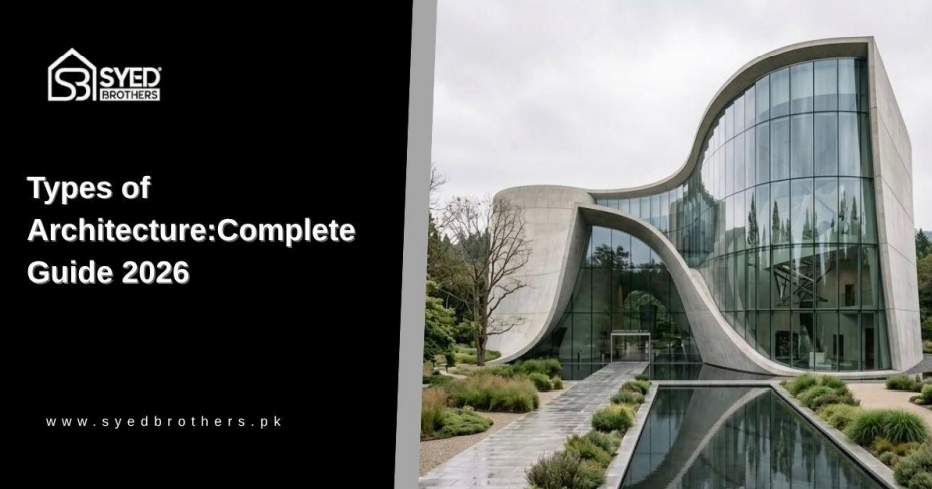
Architecture shapes the buildings and spaces we use every day. From comfortable family homes to modern offices and sustainable developments, different types of architecture serve unique purposes while balancing functionality, appearance, safety, and environmental considerations.
Understanding architectural styles helps homeowners, property developers, and businesses make informed design decisions. Whether planning a new property or renovating an existing building, professional design solutions can transform ideas into practical spaces suited to individual needs.
What Is Architecture?
Architecture is the art and science of designing buildings and organising spaces around people's needs. It combines creativity, technical planning, material selection, and environmental awareness to create structures that are attractive, safe, functional, and durable. Good architectural design considers natural lighting, ventilation, accessibility, and efficient space utilisation. The best architects in pakistan can help property owners explore suitable layouts and design approaches that reflect their requirements, site conditions, and construction budgets.
Why Understanding Different Types of Architecture Matters 2026
Understanding architectural categories helps property owners recognise which design approaches suit their projects. Residential, commercial, industrial, and landscape architecture address different requirements, while sustainable design and adaptive reuse introduce additional environmental and resource-related considerations.
Different Types of Architecture
Residential Architecture
Residential architecture focuses on designing houses, apartments, villas, and other living spaces. Top Architects in Gujranwala plan bedrooms, kitchens, bathrooms, storage, and outdoor areas to create comfortable homes that support everyday activities, privacy, and changing family needs.
For example, a compact urban house may benefit from an open-plan layout, while a larger family home might include a courtyard and shaded terrace. Thoughtful residential planning improves functionality without compromising visual appeal or available space.
Commercial Architecture
Commercial architecture involves designing offices, shopping centres, restaurants, hotels, and other business properties. These buildings require practical layouts that support customer experiences, employee productivity, accessibility, and efficient daily operations while maintaining a professional appearance.
A restaurant needs convenient connections between its kitchen and dining areas, whereas an office requires suitable workstations and meeting rooms. Commercial architects consider business objectives, circulation, safety standards, and future operational requirements when developing building designs.
Industrial Architecture
Industrial architecture specialises in factories, warehouses, workshops, and production facilities. Its primary focus is creating spaces that support machinery, storage, material movement, worker safety, and efficient operational processes without unnecessary layout complications.
For instance, warehouses require accessible loading areas and organised storage systems, while factories may need specialised ventilation and reinforced flooring. Industrial building design integrates operational requirements with structural planning, safety measures, and relevant construction regulations.
Landscape Architecture
Landscape architecture involves designing outdoor environments such as gardens, parks, courtyards, public spaces, and recreational areas. It combines natural elements, pathways, seating, lighting, and planting schemes to create attractive and practical outdoor environments.
A residential garden might include shaded seating, native plants, and efficient drainage, while a public park requires accessible pathways and recreational facilities. Effective landscape planning improves outdoor usability while considering local climate, maintenance, and water availability.
Interior Design Architecture
Interior architecture focuses on the organisation and functionality of indoor spaces, including room layouts, lighting, materials, circulation, and structural elements.Professional interior design services help create spaces that balance practical needs with visual appeal.
For example, an office renovation might introduce flexible workspaces and better lighting, while a home redesign could improve kitchen access and storage. Careful interior planning makes spaces more comfortable, efficient, and suitable for their intended purpose.
How to Choose the Right Architect
How can you choose the right architect for your project? Start by identifying your requirements, budget, and design preferences. Review the architect’s portfolio, qualifications, and experience with similar projects to determine whether they are suitable for your needs.
Before making a decision, discuss their fees, timelines, and included services. Choose an architect who understands your vision, communicates clearly, and can create practical designs that fit your budget and functional requirements.
Major Architectural Styles
Classical Architecture
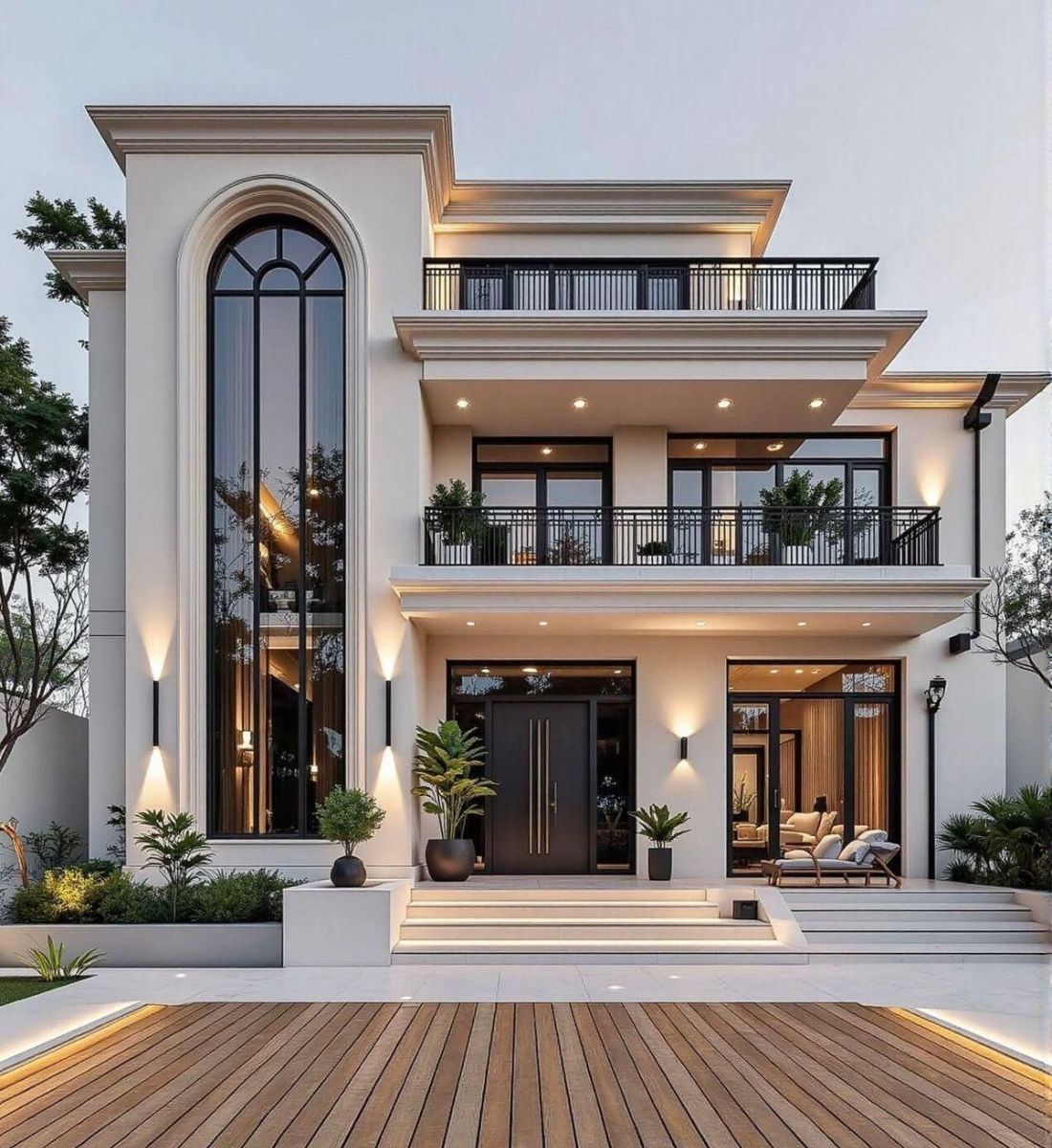
Classical architecture draws inspiration from ancient Greece and Rome. It is known for balanced layouts, strong symmetry, tall columns, and carefully planned proportions that create a timeless, dignified appearance today.
Gothic Architecture
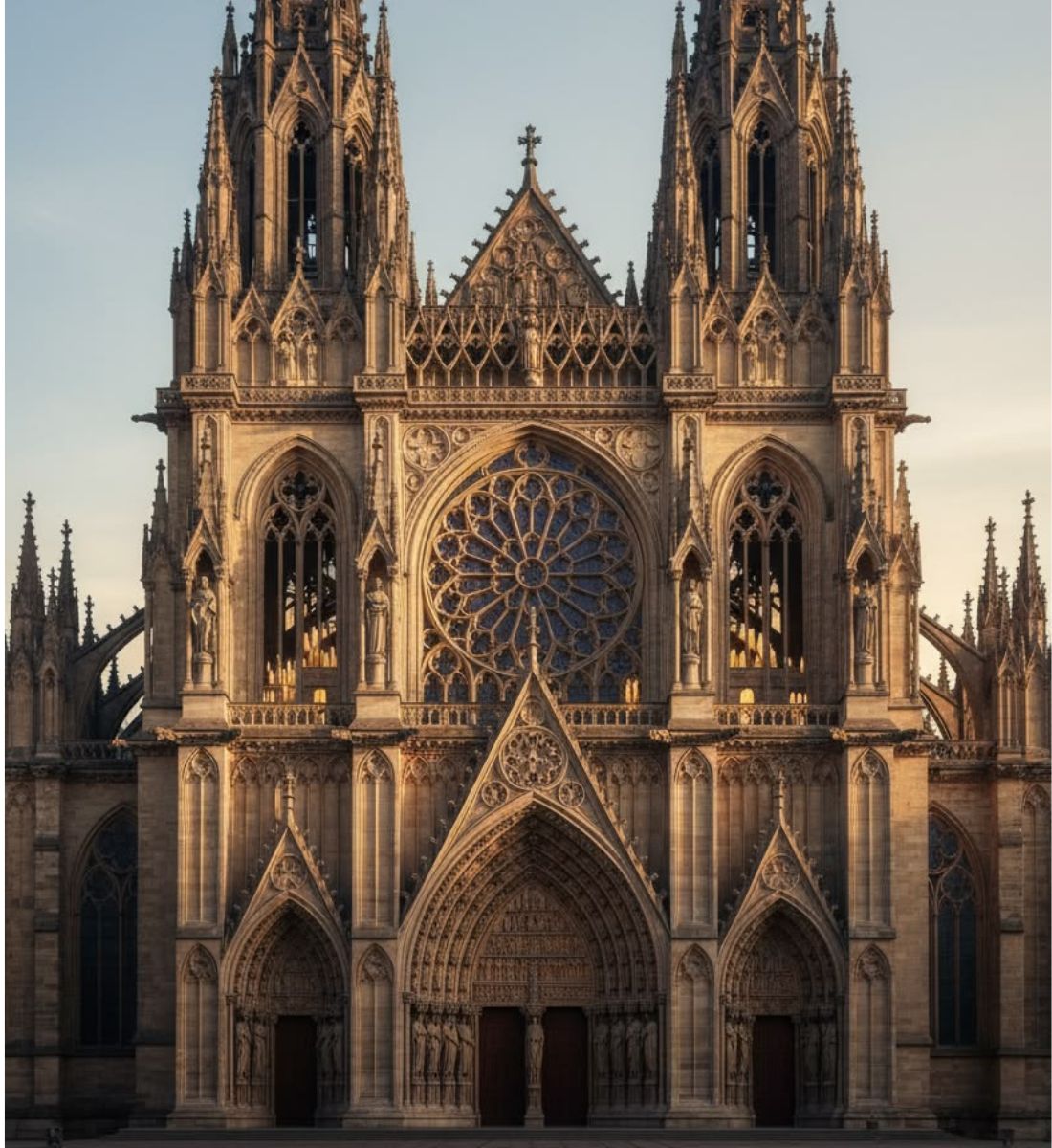
Gothic architecture is easy to spot through pointed arches, soaring towers, ribbed ceilings, and colorful stained-glass windows. These features give churches and cathedrals a dramatic, light-filled atmosphere that feels grand.
Renaissance Architecture
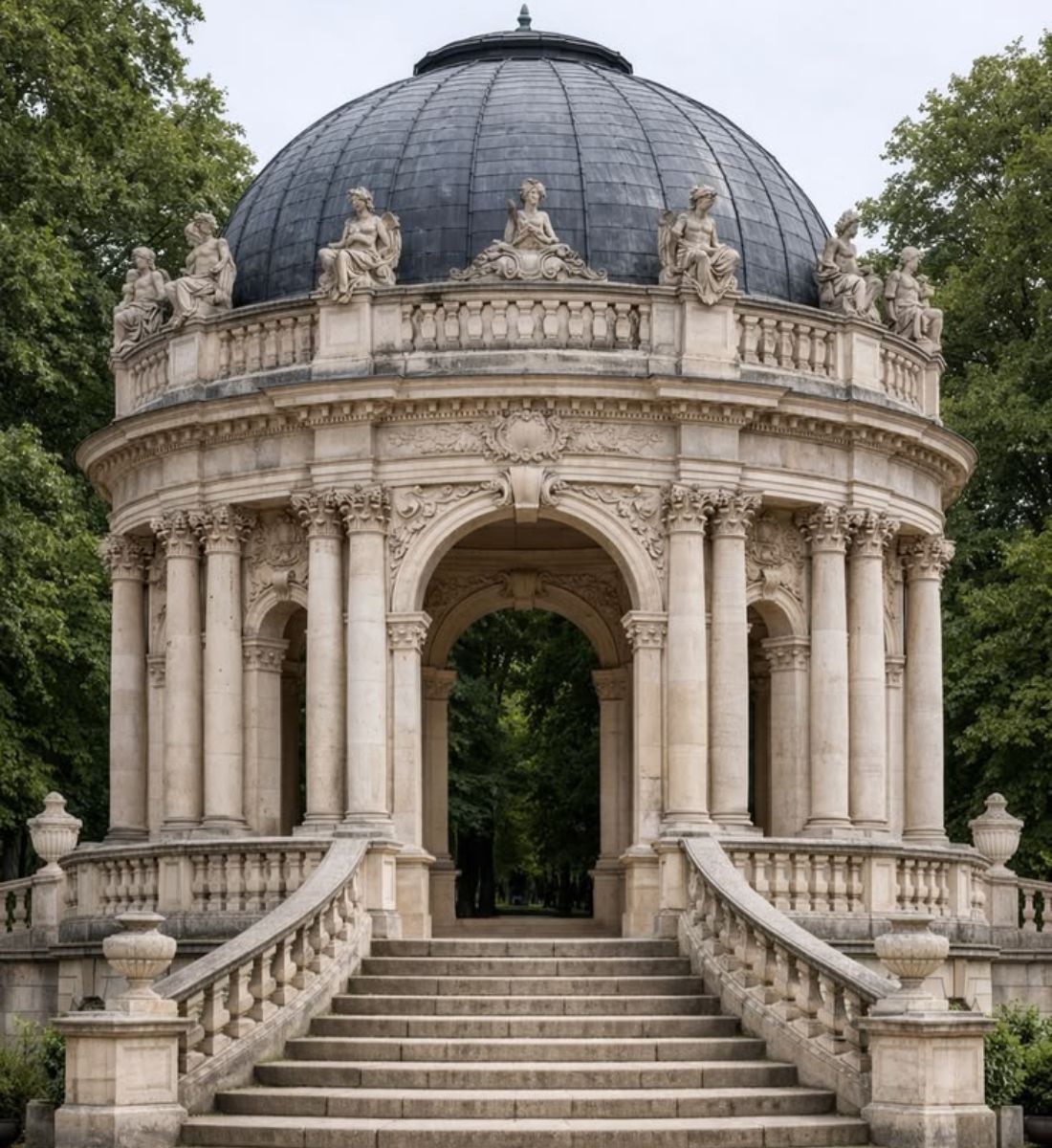
Renaissance architecture brings back the balance and beauty of ancient Greek and Roman design. Look for symmetry, geometric shapes, graceful columns, and impressive domes that make buildings feel orderly and elegant.
Baroque Architecture

Baroque architecture combines bold curves, rich decoration, dramatic lighting, and grand staircases. Its detailed surfaces and theatrical spaces were designed to impress visitors and visually communicate power, wealth, and confidence.
Neoclassical Architecture

Neoclassical architecture takes inspiration from ancient temples, using tall columns, balanced facades, clean lines, and simple geometry. It often appears in museums, courthouses, government buildings, and monuments around the world.
Modernist Architecture

Modernist architecture prioritizes function over decoration. Open floor plans, simple shapes, steel, concrete, and large windows create practical spaces with clean lines and a straightforward appearance suited to modern living.
Brutalist Architecture
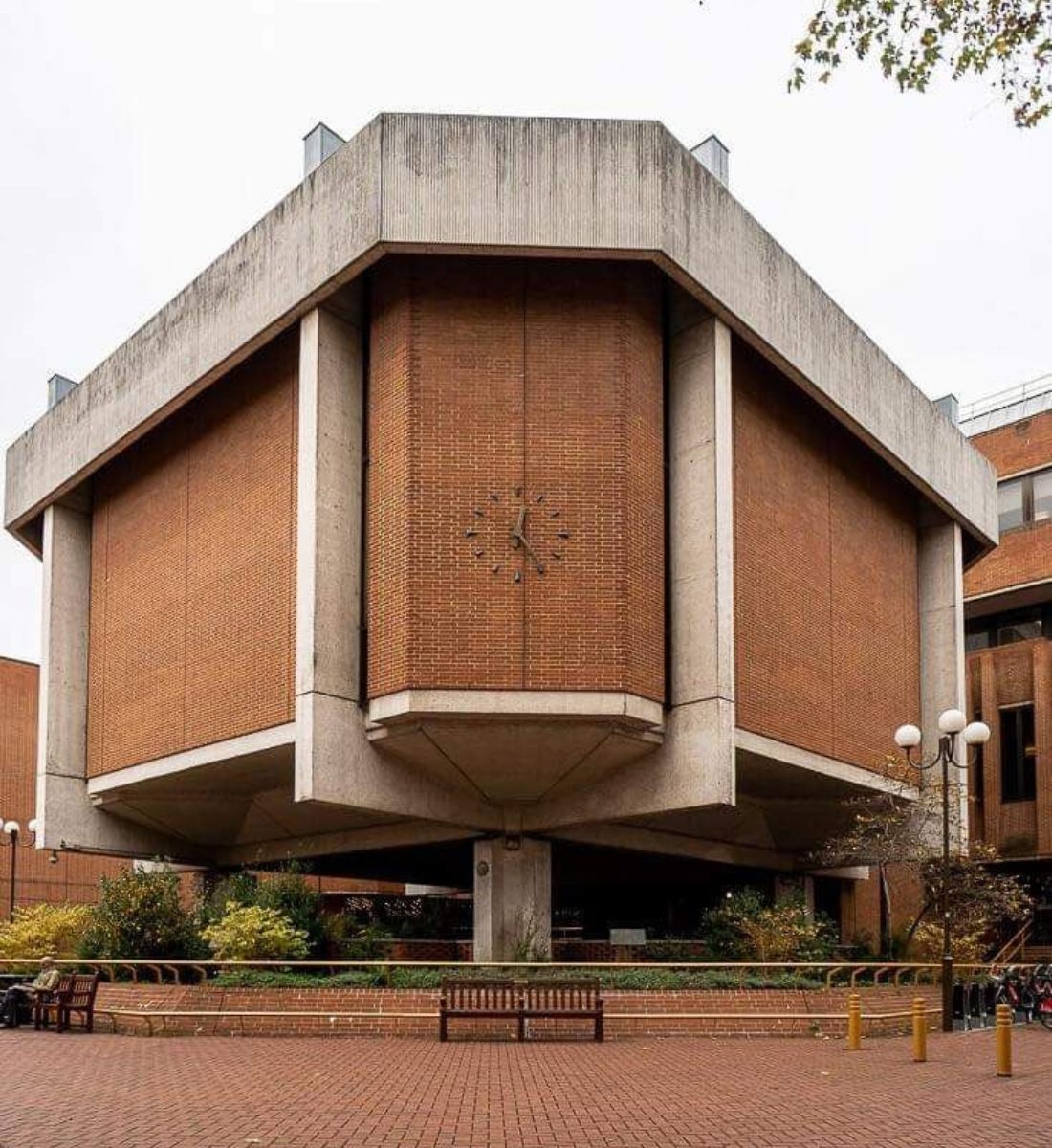
Brutalist architecture uses exposed concrete, chunky forms, and strong geometric shapes. Its bold, unfinished appearance can feel stark, but the style emphasizes structure, honest materials, and practical design over decoration.
Contemporary Architecture
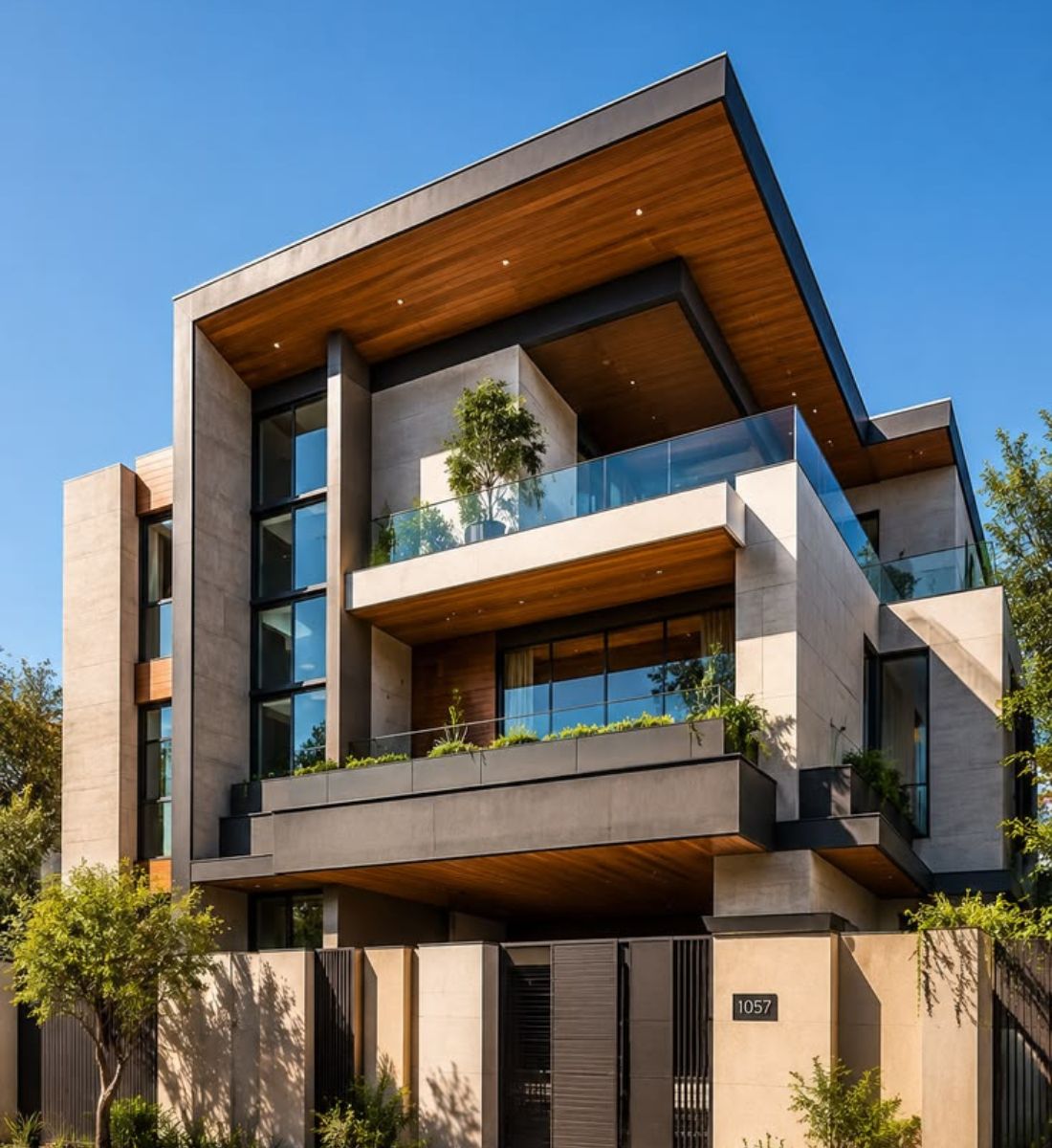
Contemporary architecture reflects how people build today, often combining sustainable materials, energy-efficient systems, smart technology, and creative forms. Designs vary widely, balancing comfort, environmental needs, and modern lifestyles and surroundings.
How to Choose the Right Architectural Style
Choosing an architectural style starts with understanding the building's purpose, available space, budget, and intended occupants. Homeowners may prioritise privacy and comfort, whereas commercial developers often focus on operational efficiency, customer movement, and business requirements.
Climate, construction materials, maintenance costs, and regional building regulations also heavily influence design decisions. Working closely with the best architect in Peshawar to compare floor plans and review previous projects ensures you find a tailored architectural approach that perfectly balances appearance, functionality, and long-term value.
What Is the Difference Between Architecture and Construction?
Architecture focuses on planning and designing buildings, including their appearance, layouts, functionality, and technical requirements. Architects develop design solutions and documentation to communicate how a proposed structure should look, operate, and relate to its surroundings.
Construction involves physically building the structure using approved plans, suitable materials, and appropriate techniques. Architects and construction professionals must coordinate effectively because design errors, incomplete documentation, or poor workmanship can lead to delays, additional expenses, and performance problems.
Conclusion
The different types of architecture show how building design responds to human needs, cultural traditions, business activities, and environmental conditions. Residential, commercial, industrial, modern, traditional, and sustainable architecture each offer unique approaches to creating functional and visually appealing spaces. The best architects consider these factors to develop designs that balance aesthetics, practicality, and long-term value.